The freediving Porsche employee who works as a software engineer
Share article
Copy link
Share on Facebook
Share on X
Share on LinkedIn
Matthias Falkenberg is heavily involved in working on software like the My Porsche app, but also uses systemic coaching and Neuro-Linguistic Programming, learnt outside work, to help him develop his mentoring and outreach responsibilities
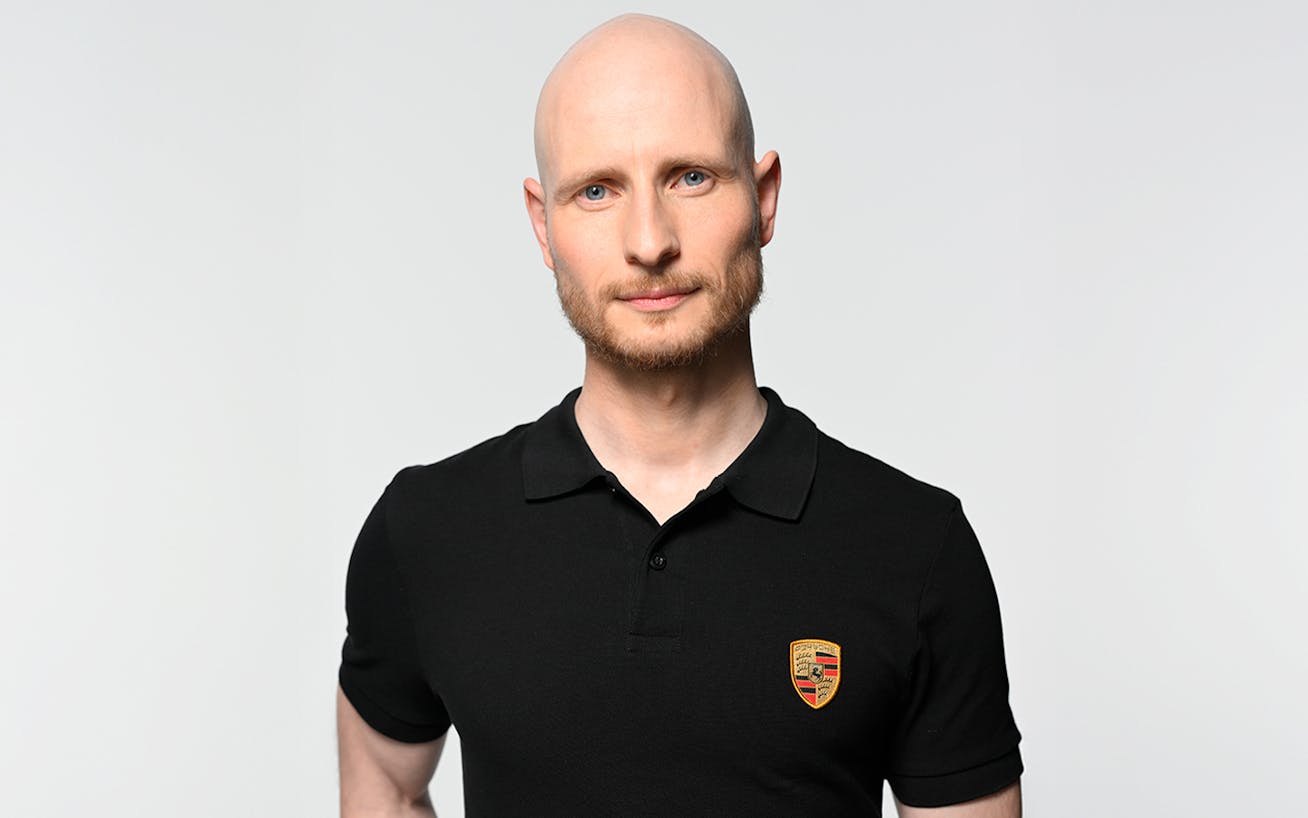
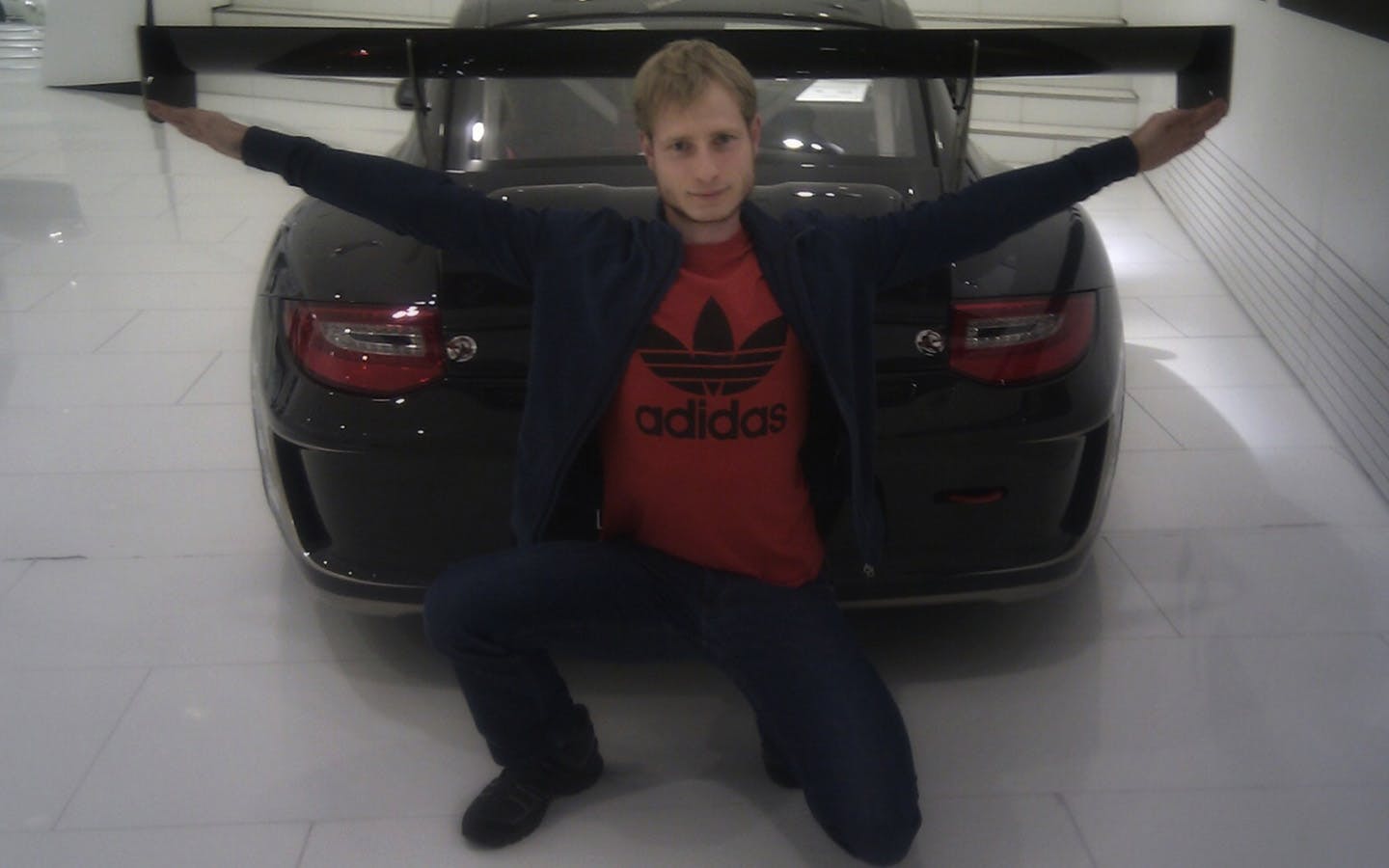
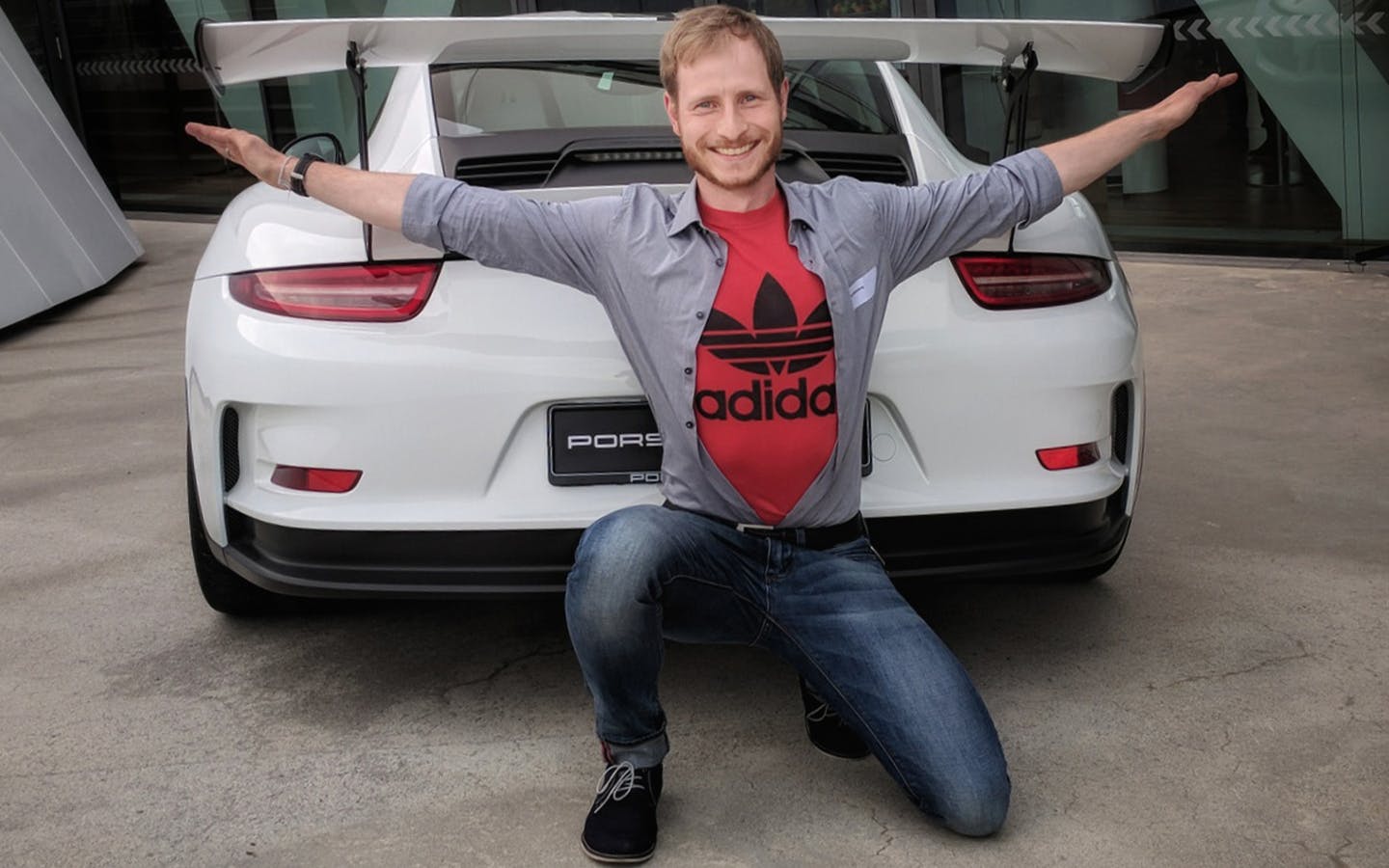
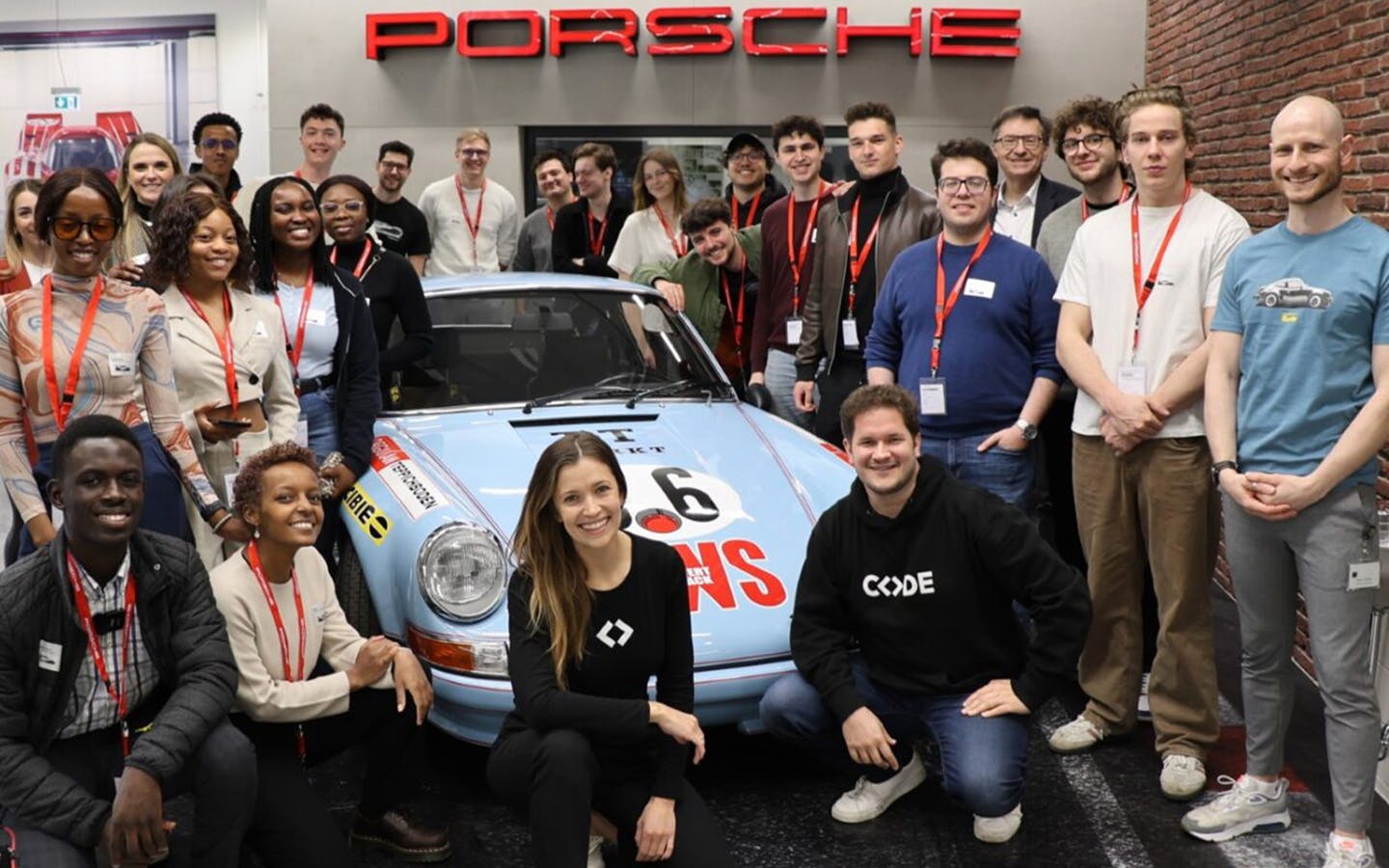
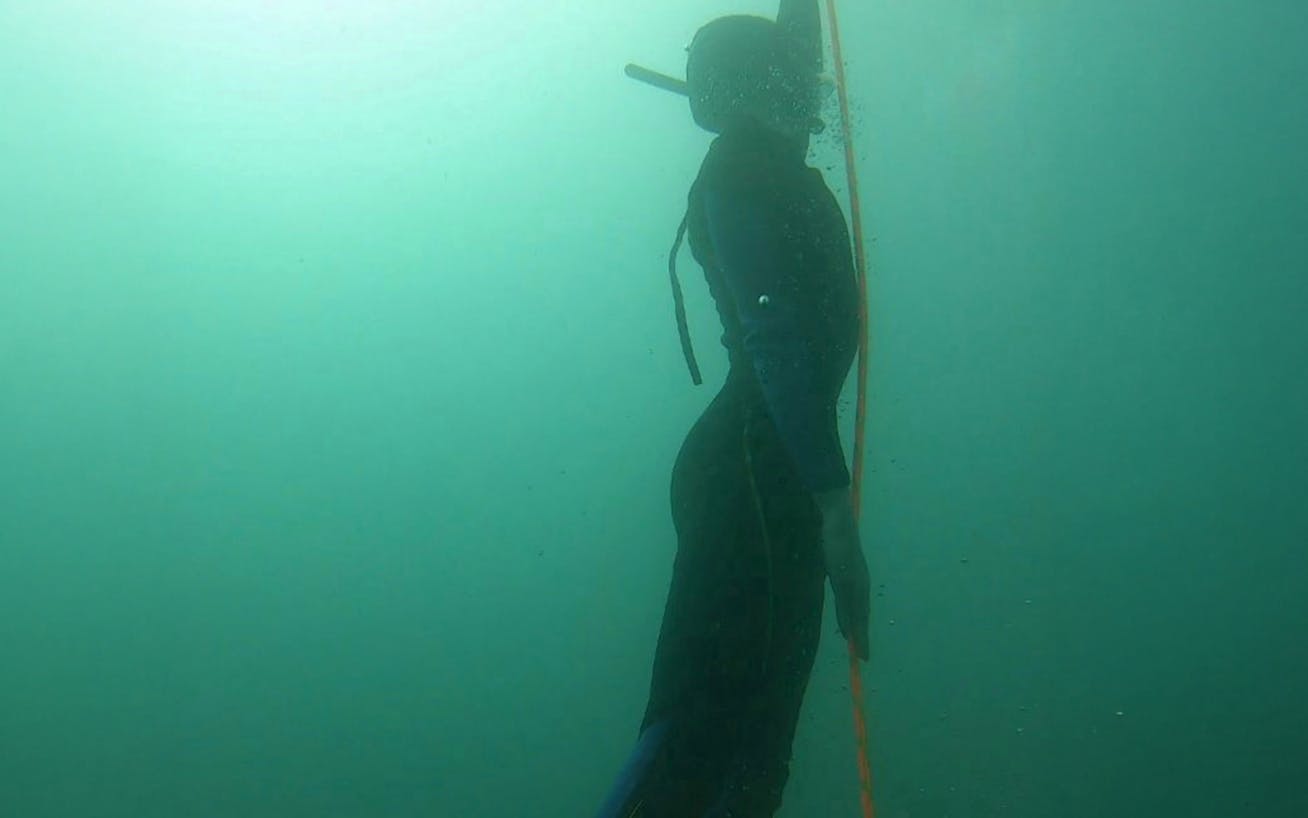
From its earliest days, when the vision of Ferry Porsche was made a reality, Porsche AG has been built on dreams. For the people who work for Porsche, it’s a place where you’re given the freedom to explore your dreams. In this episode of our Shaping Porsche job insights series, Matthias Falkenberg tells us how his role as a Senior Software Engineer encompasses much more than technological developments for cars but extends to mentoring and lecturing, coaching and involvement in hackathons – and how his interest in freediving and yoga feeds into this.What do you do at Porsche, Matthias?“In simple terms, it’s mainly creating and maintaining software. I’m currently working on the link between the My Porsche app and the numerous systems that enable it to communicate with our cars, which brings together well over 100 software interfaces.“Software engineering is pretty diverse, and at Porsche we follow the so-called DevSecOps philosophy. It’s not just the development part of software engineering that needs taking care of. My role covers a broad range of tasks – from the early design and technical discussions of features with security in mind, to setting up observability for our applications, and quickly addressing bugs and vulnerabilities in our live system, sometimes even over weekends.“You could say that, as software engineers, we’re driving the digital transformation at Porsche – and that also includes sharing knowledge and experiences internally and externally. What our team is bringing to Porsche as a company is a whole different mindset of accomplishing goals through our agile methodology.”A Senior Software Engineer for Porsche AG, Matthias Falkenberg is driving the technological progress at Porsche, including working on the My Porsche app and the many systems it uses to communicate with its cars Photo: PorscheWhen did you join Porsche? “I joined Porsche in January 2018. Before that I worked for IBM. There’s a tight network of software engineers in Stuttgart and I would go along to meet-ups in the evenings around the city that focus on various topics, so you’d get to recognise certain people from there. At Porsche there was a former colleague of mine from IBM and he reached out to me and asked if I knew anybody who might like to join their software engineering team.“The funny thing was that I’d just prepared an updated version of my resumé because I was in the process of transitioning to a different place after more than a decade at IBM. He told me that Porsche was looking to increase the value of what internal software developers create for Porsche and for its customers – like investing in cloud software technology – and that was a very enticing proposition for me. I applied… and got the job!”How would you describe the culture at Porsche when it comes to your job?“First and foremost, you’re given freedom. The choice of technology is yours, as well as the way you implement tasks and how you come up with a solution. For me, software engineering is a very creative process. Sometimes you have output that creates a tangible or visible result immediately or maybe it’s a few weeks, at least, down the road.“The methodology that we apply in our team and several teams around us is one that puts the decision-making process into the hands of the experts in specific areas. We have cross-functional teams, which means people with a focus on security, on software architecture or maybe organisational topics, like project management. Each and every one of us has a responsibility, but also the decision-making power.“That’s one of the most energising aspects about working at Porsche. People trust us to make the right logical decision. Being empowered in this manner is motivating. Like any other company, we understandably have constraints. But when it comes to many of the choices that we make on a daily basis, we don’t have to discuss it with anybody else.“If you think of it as a painter with a canvas, we’re not told to use this brush or this type of colour, we’re allowed to fill the canvas with something that we perceive could provide customer value. We work towards a vision – but how do we get there? Well, technology-wise, that’s up to us. So, the creative process is very much in our hands, allowing us to choose the right path to get us where we want to be.”Why is working at Porsche your dream job? “Much of it is down to the freedom we have. Freedom not just with the choice of the technology that we use, as I’ve just described, but the freedom to mentor young talents and freedom to present what makes Porsche a great employer to future talent at universities, company contact fairs or conferences.“Last year, for example, I did a lecture at the Esslingen University of Applied Sciences, near Stuttgart. It was something that my manager brought up, who studied there and also teaches at the university. There was an opportunity to conduct a guest lecture so she reached out to me and asked, ‘Do you want to fill it with topics that you think are interesting to students?’“Although the official part of the lecture ended after about 75 minutes, the discussion continued for another 30 to 45 minutes. This year, I had a similar experience at the University of St. Gallen in Switzerland. So, again, it’s yet more freedom. To not just sit at the desk and work on everyday grind topics but the chance to do a whole lot of different things that help make you feel versatile. That’s what makes Porsche a great company to me.“Another element that I love is that I can show my mum what I do by simply opening up the My Porsche app or sometimes I get to take one of our cars home for testing on the weekend or over public holidays. When I drive the cars home, my sister immediately wants pictures of herself sitting in a Porsche. And that’s a special part of the story for me too – I get to show what we do to my family.”In January 2011, Matthias had a picture taken of him with a 997 GT3 RS during his first visit to the Porsche museum… Photo: Porsche',…and several years later he recreated the photo with a 991 GT3 RS on a trip to the Porsche museum in his first week at Porsche Photo: Porsche',As part of his role at Porsche, Matthias (pictured far right) has presented to university students, engaged in hackathons with aspiring software developers and uses systemic coaching techniques to help mentor colleagues, including interns on his team Photo: Porsche'What motivates you each day?“It’s doing something that has a lasting impact, something that is noticeable, that I can look back on and be proud of, like mentoring young colleagues. In 2018 I motivated colleagues to form teams that attended a hackathon in Stuttgart with over 200 ‘hackers’ competing, challenging them to implement novel ideas over two days. “The following year, in October 2019, I managed to get Porsche to be one of the main sponsors of the event. At the time I said, ‘If this year’s participants feel encouraged to be real makers, we will accomplish something great’. And we were allowed to take the new Taycan along, just a month after its world premiere, and made it possible for the hackers attending to have access to the infotainment system of the Taycan and to create new applications. The opportunity for any software engineer to have the chance to do this is awesome. It’s a great example of our pioneering spirit. If you have an idea, there’s a good chance that you can help realise it.“Corporate social responsibility is a very important subject as well. For example, I really appreciate the Porsche Hilft programme, which places voluntary helpers from Porsche into community initiatives. I value that a company like Porsche gives something back to local communities and makes it easy for employees to get involved.”Away from Porsche, Matthias is a passionate freediver. He says that the techniques he’s learned here have a number of huge benefits when it comes to both his personal and working life Photo: PorscheAway from work, one of your main hobbies is freediving, Matthias. Tell us about that.“I’ve always wanted to learn how to scuba dive and there’s a mandatory fitness check that you do beforehand. The doctor back then said to me, ‘You have quite a large lung capacity. Instead of scuba diving, you might want to look into freediving.’ A couple of months later, I went to a yoga class while I was scuba diving in Thailand and there was a Swiss guy, a psychologist. I’m always interested in what people think, what they occupy themselves with, what makes them tick. At dinner, I asked him what else he was doing on the island besides yoga and he said freediving – and motivated me to try it too. “It turns out that I really enjoyed the practice of calming the mind and the body and to see how they intertwine. If you occupy yourself with too much up here [Matthias points to his head], then you’re not able to hold your breath for very long. After a couple of days of freediving following my scuba diving course, I had my first certificate. The instructor was awesome, guiding me through the practice of ‘static apnoea’, which is one of the techniques for gaining certification as a freediver. Eventually I was able to hold my breath for four minutes 56.6 seconds. Ever since that day, I’ve been in pursuit of the five-minute mark. “I still haven’t reached it yet. Sometimes that’s a positive, sometimes it can be a burden. But I never forget anything once I set my mind to it. While it hasn’t happened yet, it doesn’t mean that it won’t happen.”How does freediving feed into your life, including at Porsche? “Lots of things come together, like puzzle pieces that make the whole picture. Personal development is about looking inside yourself. I’ve been doing yoga for many years now and then I added in the breathing exercises for freediving and they all relate to communication, making a connection and listening. It’s about personal growth and mental stability. And that, of course, extends to the workplace. “At Porsche, personal development plays a key role in the transformation and, of course, leadership training. Admittedly, the Systemic Coach training & certification, which I finished just last October, along with some other programmes before that, happened outside of work, just out of personal interest. But again, it’s all intertwined.“Communication with myself, with the people around me and even with machines. As a software engineer, I simply realised that it’s everywhere.”What are your earliest Porsche memories? “I come from a small town right at the gates to Berlin in eastern Germany. So growing up there was not much motorsport near me and definitely no expensive cars. It was a very humble life as I grew up, but after I moved to Stuttgart for an internship, did my thesis and began working at IBM, then Stuttgart became my second home. A couple of friends of mine visited me from Berlin and we went to the Porsche Museum, which was my first – let’s say ‘impactful’ – contact with the brand.“Back then my friend took a picture of me trying to match the wingspan of a 911 GT3 RS. I was impressed by all the trophies on show and all the interactive aspects of the museum – the sounds, the visuals and also the chance to reach out and touch some of the cars. That impressed me. On my first working week at Porsche we had an introductory session at the museum and I took the same picture that I had taken many years before, with obviously a more modern 911 GT car [check out the photos in the gallery further up the page].”Discover how Matthias shapes the future of Porsche
Consumption and emission informationTaycan Turbo S
(WLTP): Electric energy consumption combined: 19.9 – 17.8 kWh/100 km; CO₂ emissions combined: 0 g/km; CO₂ class: .
Porsche Tech. Driven by You.
Shape the future of mobility together
Continue reading
Expert tips on restoring a classic Porsche 911 – and why you should drive it daily
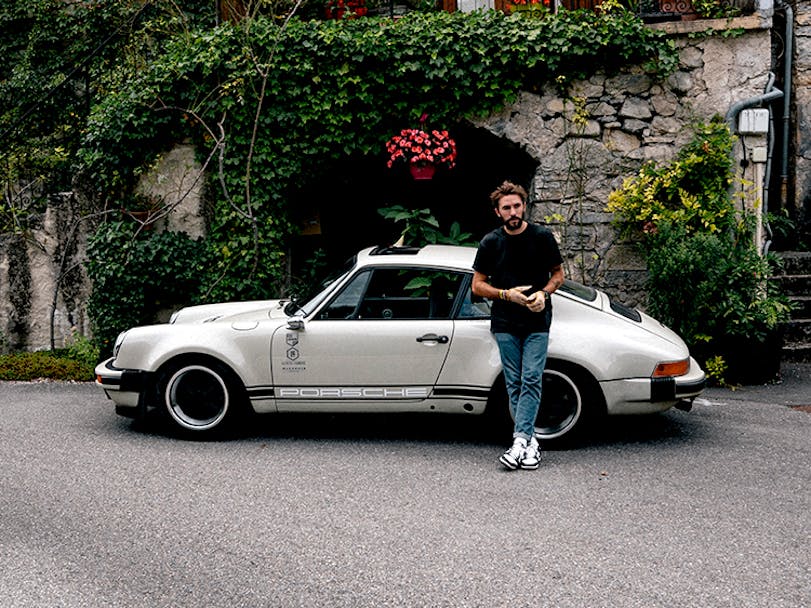
Since he was a child, Porsche has soundtracked Nicolas Plasmondon’s life. He explains how his annual visits to watch the 24 Hours of Le Mans as a boy led him to a dream car resto project
Read more
Shaping Porsche: the buyer
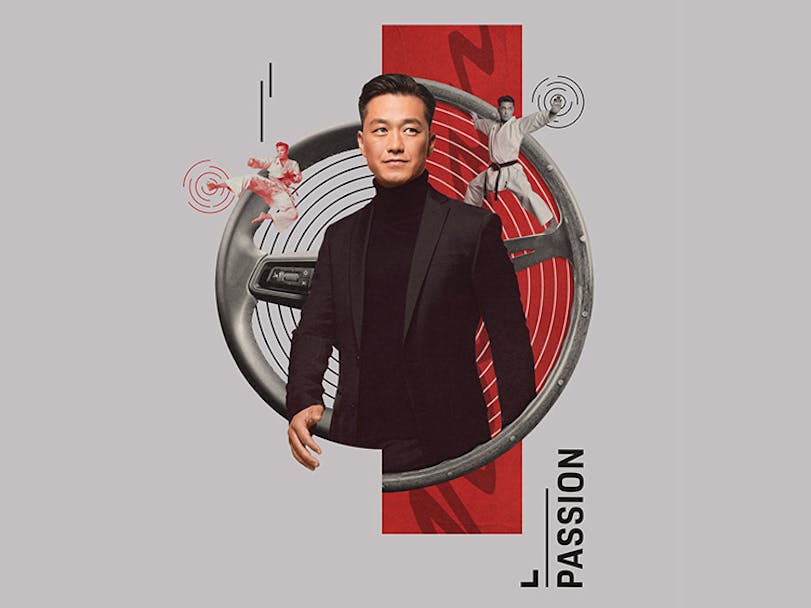
17 years into his career at Porsche, karate expert Ken Sato has risen from an intern to a buyer in the Motorsport department
Read more
Shaping Porsche: the planner
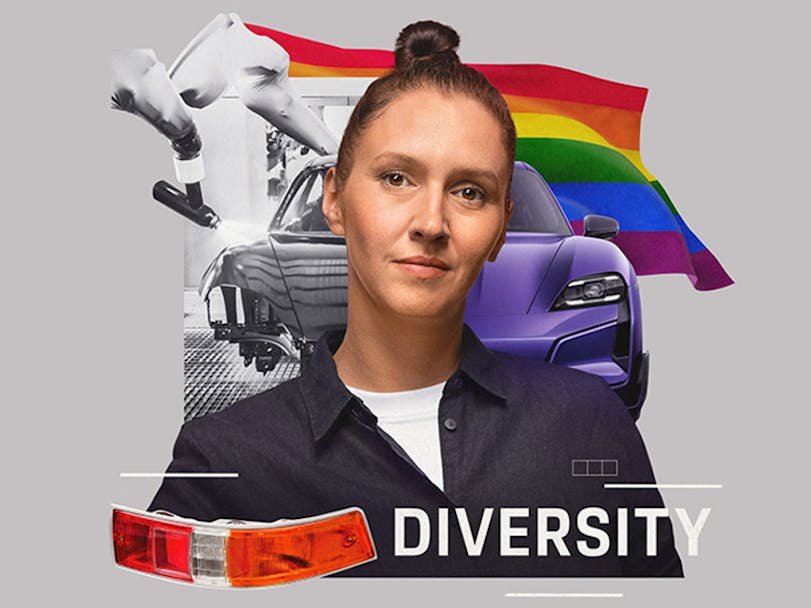
With a 20-year career at Porsche, Stefanie Klaue is now retraining in IT and automation
Read more