From capital of art to capital of Artificial Intelligence
Amsterdam Science Park
Copy link
Share on Facebook
Share on X
Share on LinkedIn
Amsterdam, the city of bikes, boats and laid-back bars, is blooming. Here’s how an open-minded, pioneering spirit has led to it becoming a leading light in the development of AI
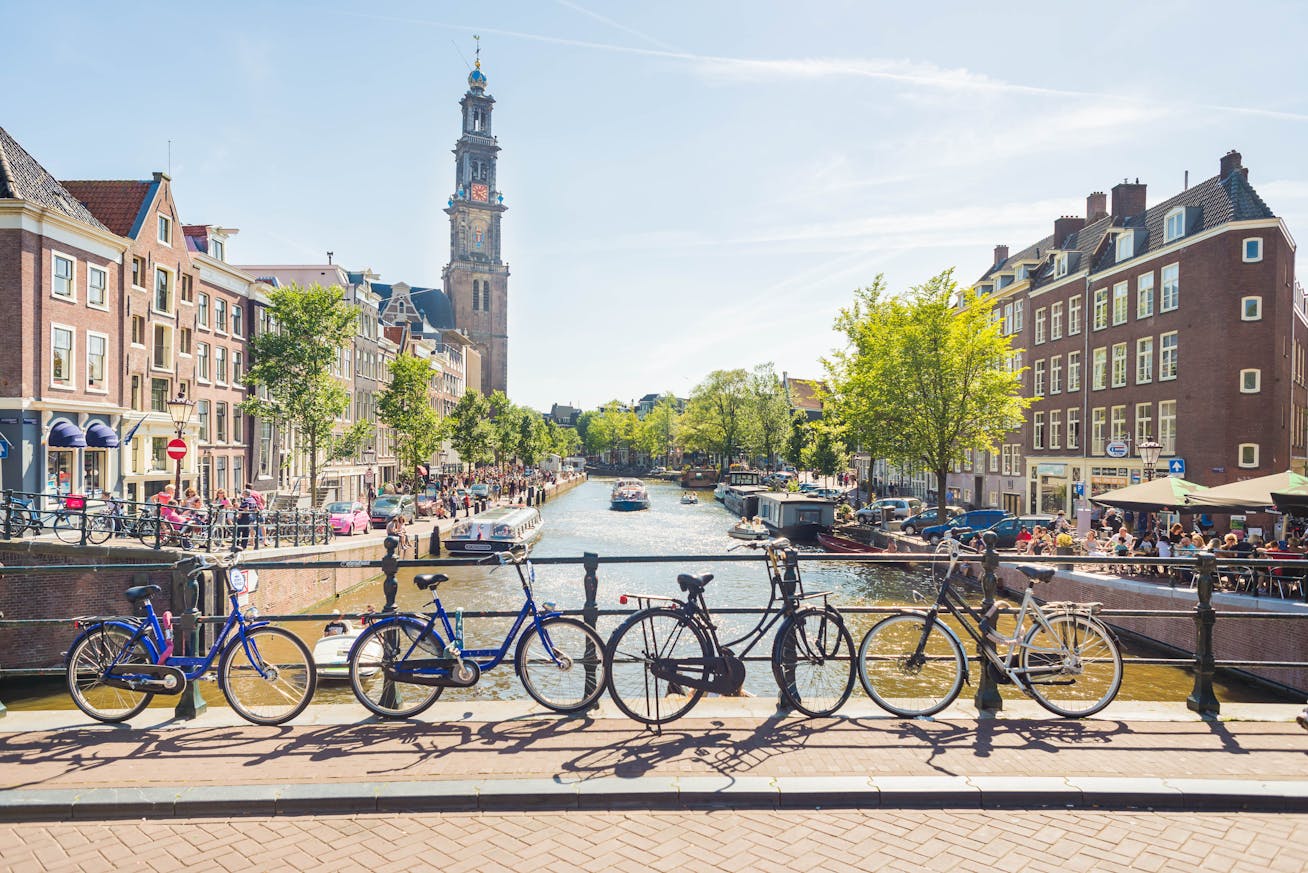
A melting pot of innovationFrom self-driving cars to robotic helpers in healthcare, AI is defining the technology of the future, and Amsterdam is already an expert in the field. Some of the most revolutionary science is happening at the Amsterdam Science Park in the heart of the city. Literally built on innovation, the grounds of the Park were submerged more than four metres below sea level until 1629. But technological advancements at the turn of the 17th century allowed the land to be reclaimed. In 2009, the Amsterdam Science Park opened as an exciting hub for research, education and life-changing innovation. As one of the largest concentrations of IT, life sciences, advanced technology, and sustainability sciences in Europe, it’s home to over 120 companies, from startups to multinationals like German electronics giant Bosch. Innovating companies, emerging talent and educational heavyweights, like University of Amsterdam Faculty of Science, are all cultivating ideas of the future, and collaborating to transform the way we live.Bicycles are part of the typical cityscape of AmsterdamTapping into tomorrowThe Startup Village incubator project and community working space at Amsterdam Science Park is a vibrant ecosystem of over 55 scientific startups and spin-outs. It’s here new companies can easily connect with a broad knowledge base of researchers, scientists and established expertise. And it’s no coincidence that the Innovation Center for Artificial Intelligence (ICAI) is also based at the Park. Its focus on joint technology developments between academia, industry and government in AI is aptly accommodated in this eclectic learning ground. It’s also a valuable hub for students, academics and tech professionals who are starting or growing their business. Platforms like the incubator ACE can help them turn their brilliant idea into a thriving, scalable business.Amsterdam’s AI success is not slowing down anytime soon. The University of Amsterdam and the City of Amsterdam have committed to building a world-class AI core at Amsterdam Science Park, which is expected to be up and running by 2021. It will be a base for students and researchers from the university, and support co-creation between academia, research institutes and businesses.In addition to its pioneering initiatives and cutting-edge technological institutes, the Dutch capital has ambitious aims to use its AI expertise to improve the quality of life, boost the city’s thriving sectors like life sciences, and even extend the average lifespan of citizens.The aim of AI is to improve the quality of life in AmsterdamSome 322 million euros were raised by the city’s startups and scale-ups in 2017 alone – and business development programs are enabling young new businesses to achieve success. Initiatives like the Amsterdam School of Data Science, a collaboration between four of the city’s research and applied sciences universities, will also ensure the next generation of AI specialists thrive too.
Looking for a new challenge?
Find job opportunities at Porsche
Continue reading
How Ferdinand Porsche invented – and Porsche reinvented – the hybrid car
From the Semper Vivus and 918 Spyder to today’s 911 T-Hybrid models, discover how Porsche turned electrification into a performance technology
Read more
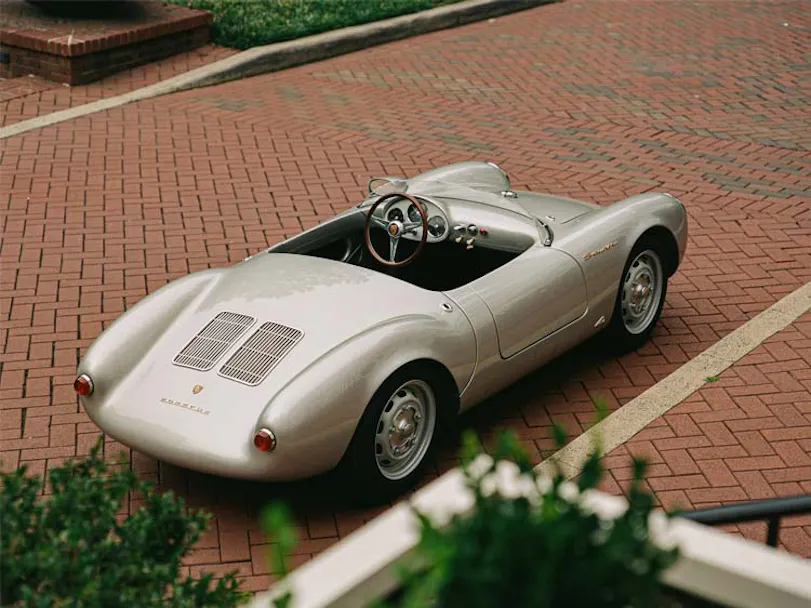
How Hedley Studios reinterpreted the Porsche 550 at 80% scale and 100% electric
Hedley Studios spent years studying the Porsche 550 to understand what made it special. Founder Ben Hedley explains how the team recreated its design, engineering and driving character at 80 per cent scale
Read more
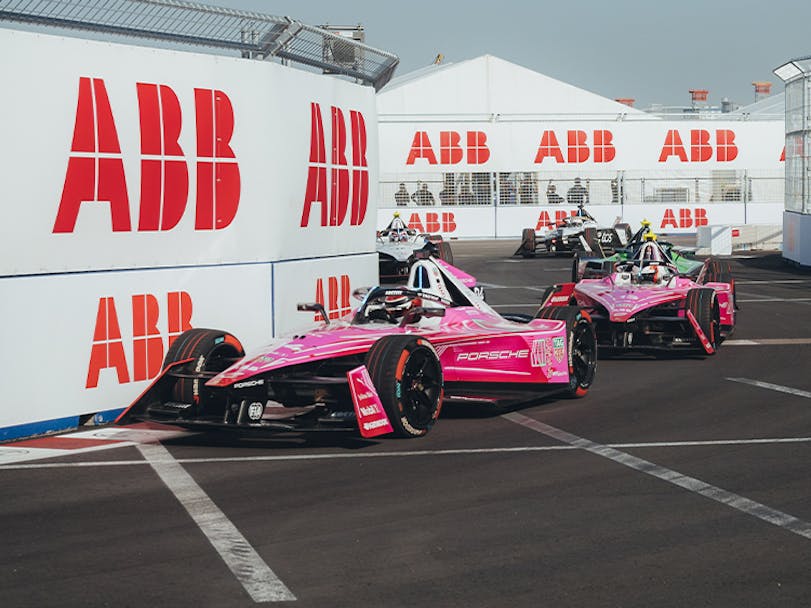
What is Formula E and how fast are the cars?
Formula E is one of motorsport’s most entertaining series. With Porsche entering works and customer teams in the all-electric championship, find out all about its hi-tech race cars
Read more