The Porsche transaxle era: the 924, 928, 944 and 968
How four front-engined Porsche cars quietly redefined the brand
Share article
Copy link
Share on Facebook
Share on X
Share on LinkedIn
Discover the story behind the four Porsche transaxle models – the 924, 928, 944 and 968 – which, from the mid 1970s to mid 1990s, wrote an exciting new chapter in the company’s story
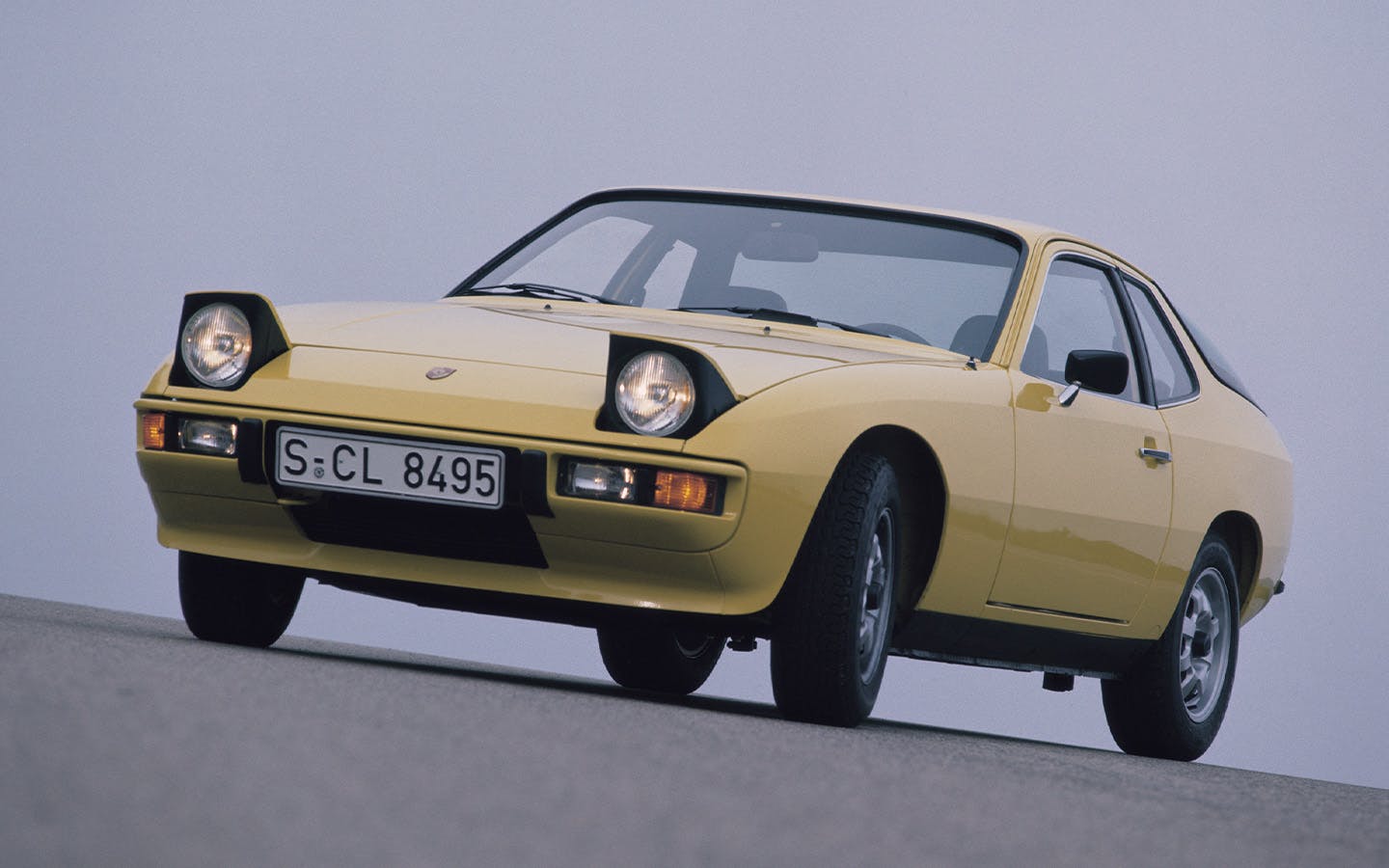
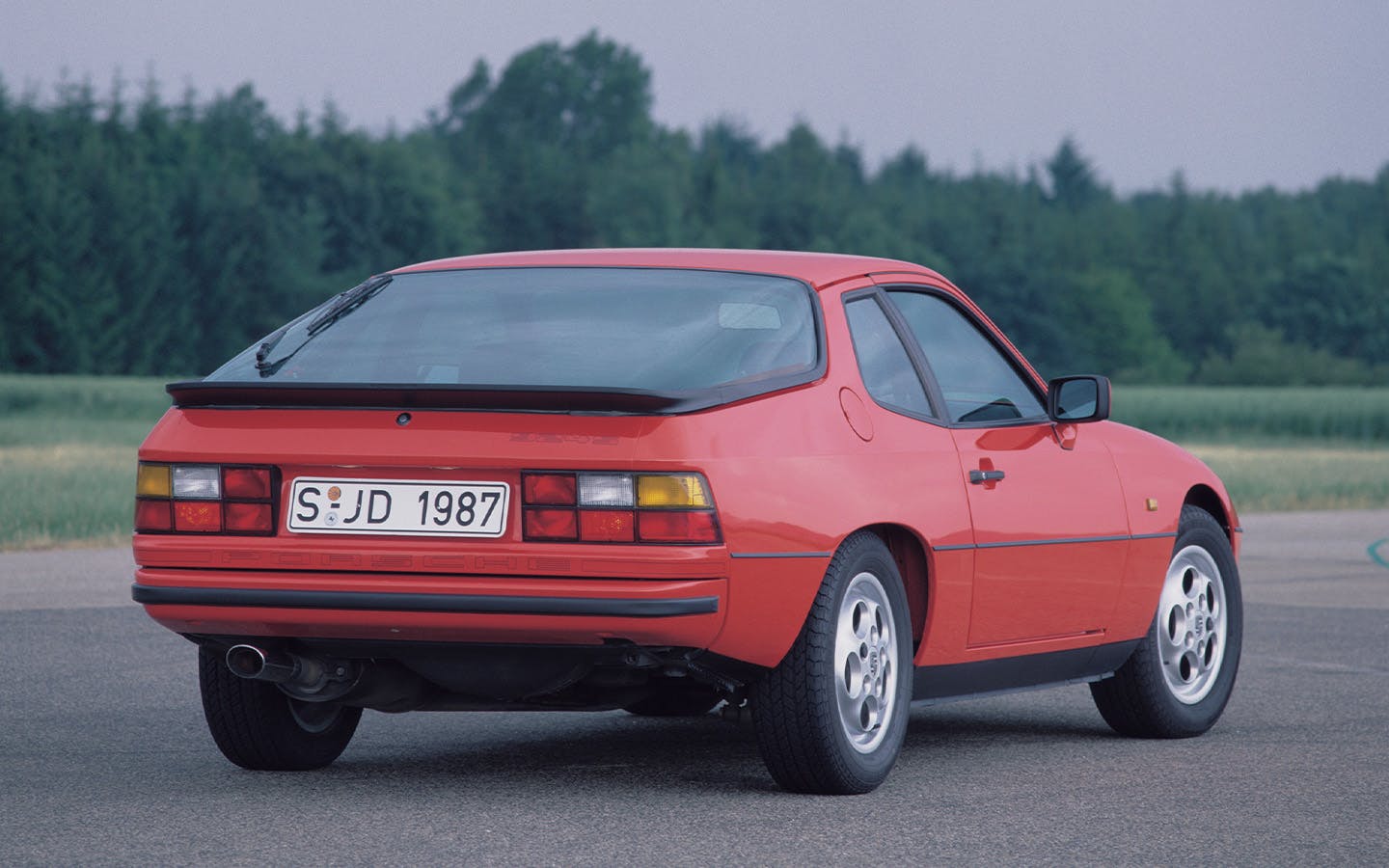
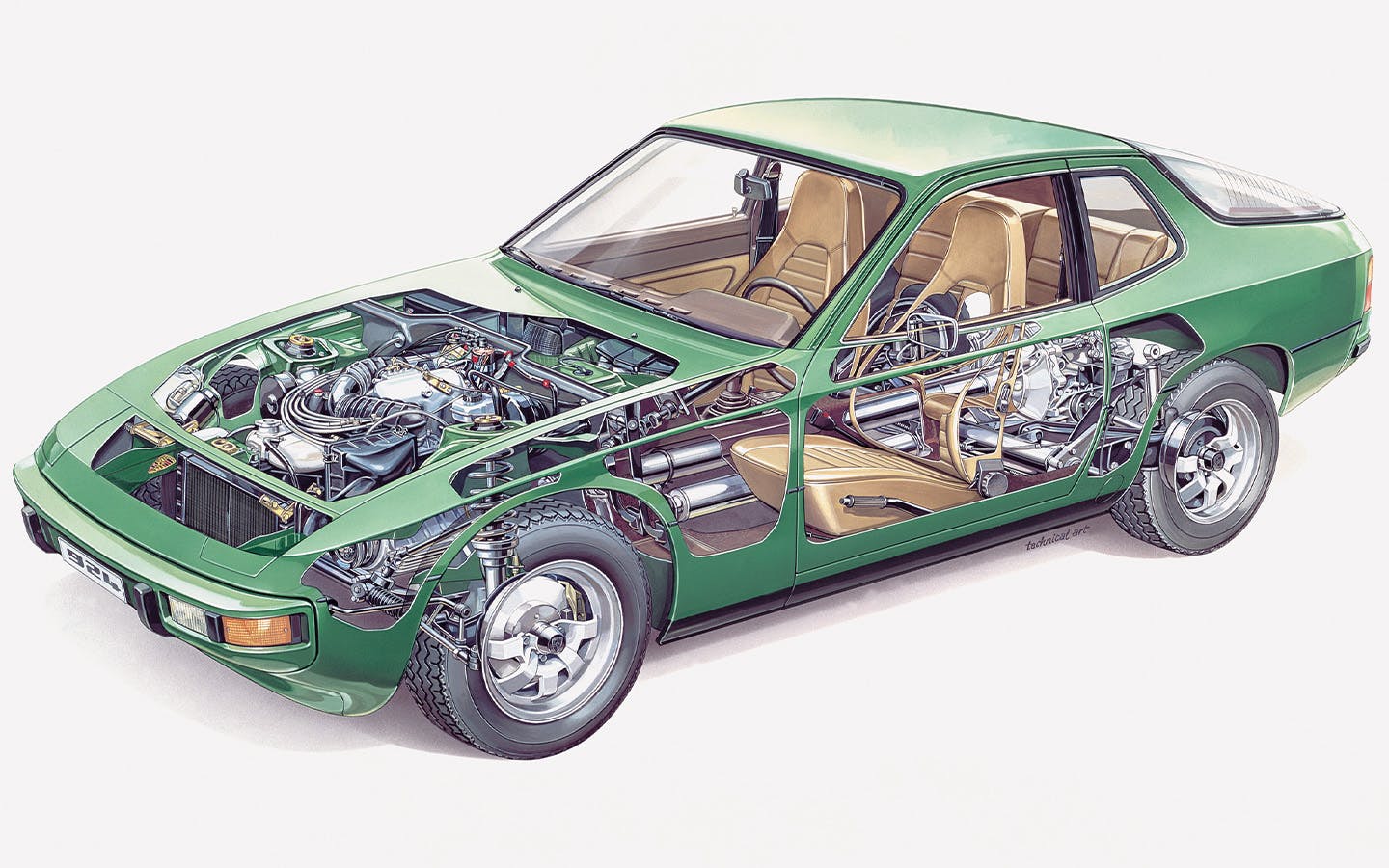
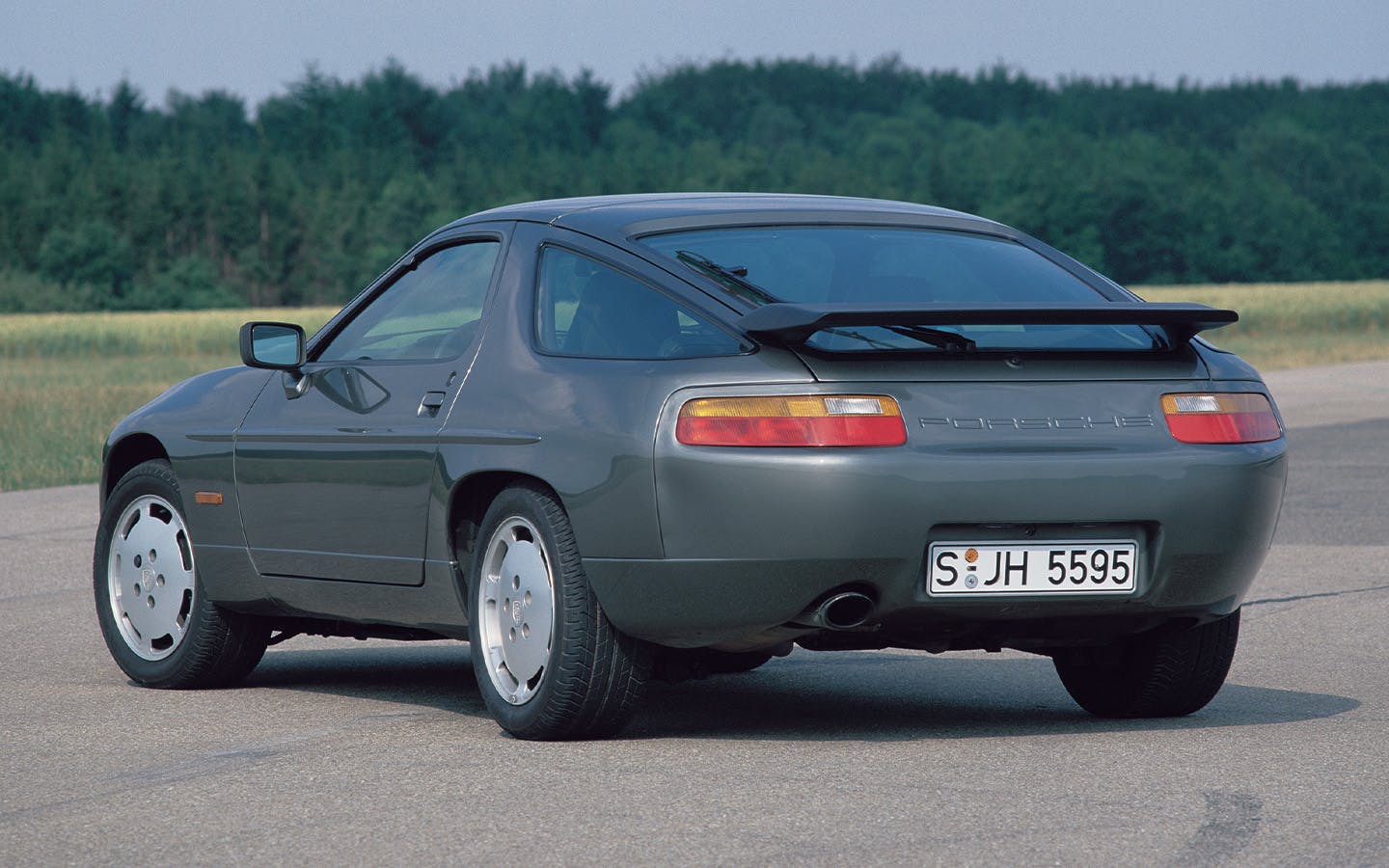
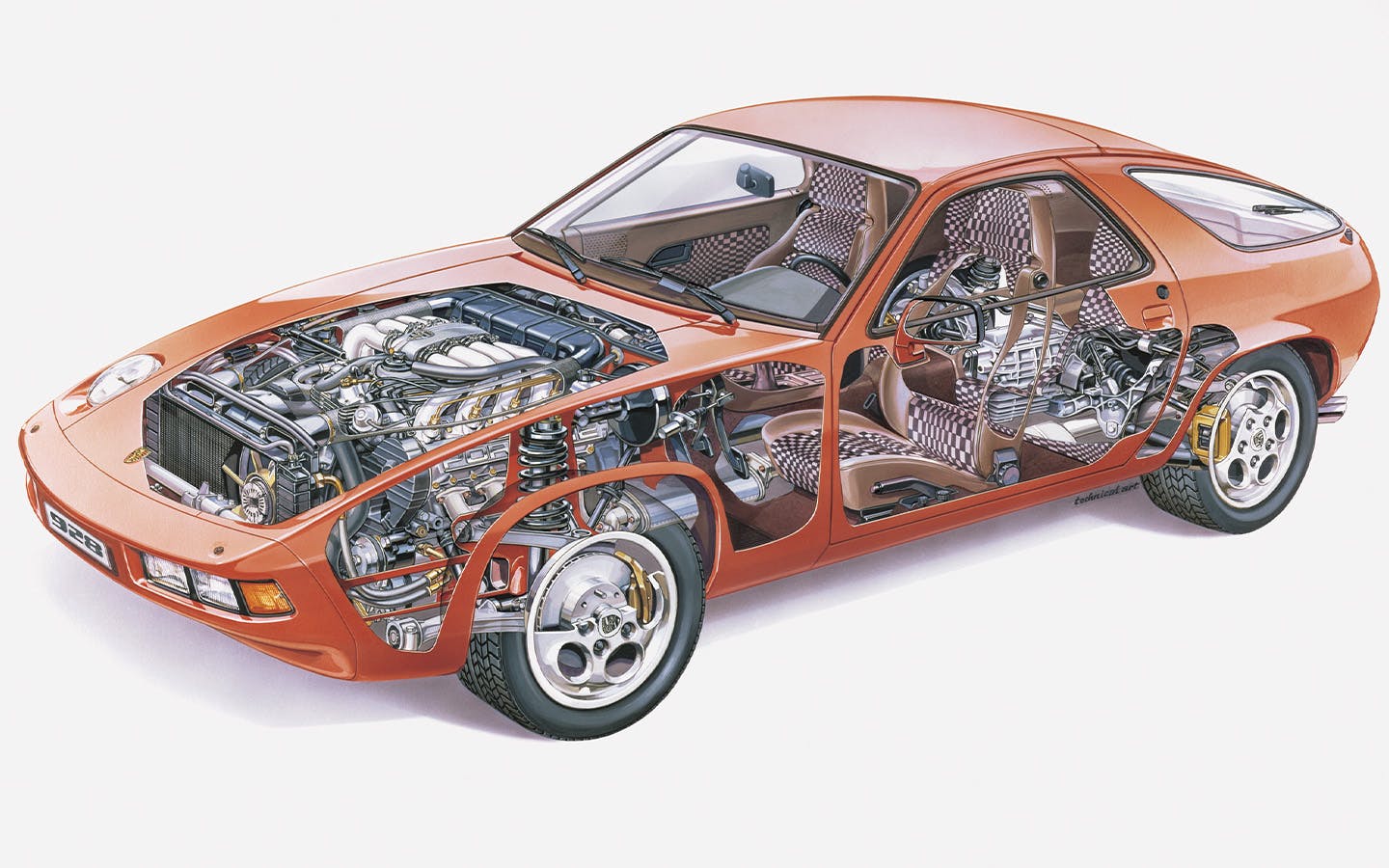
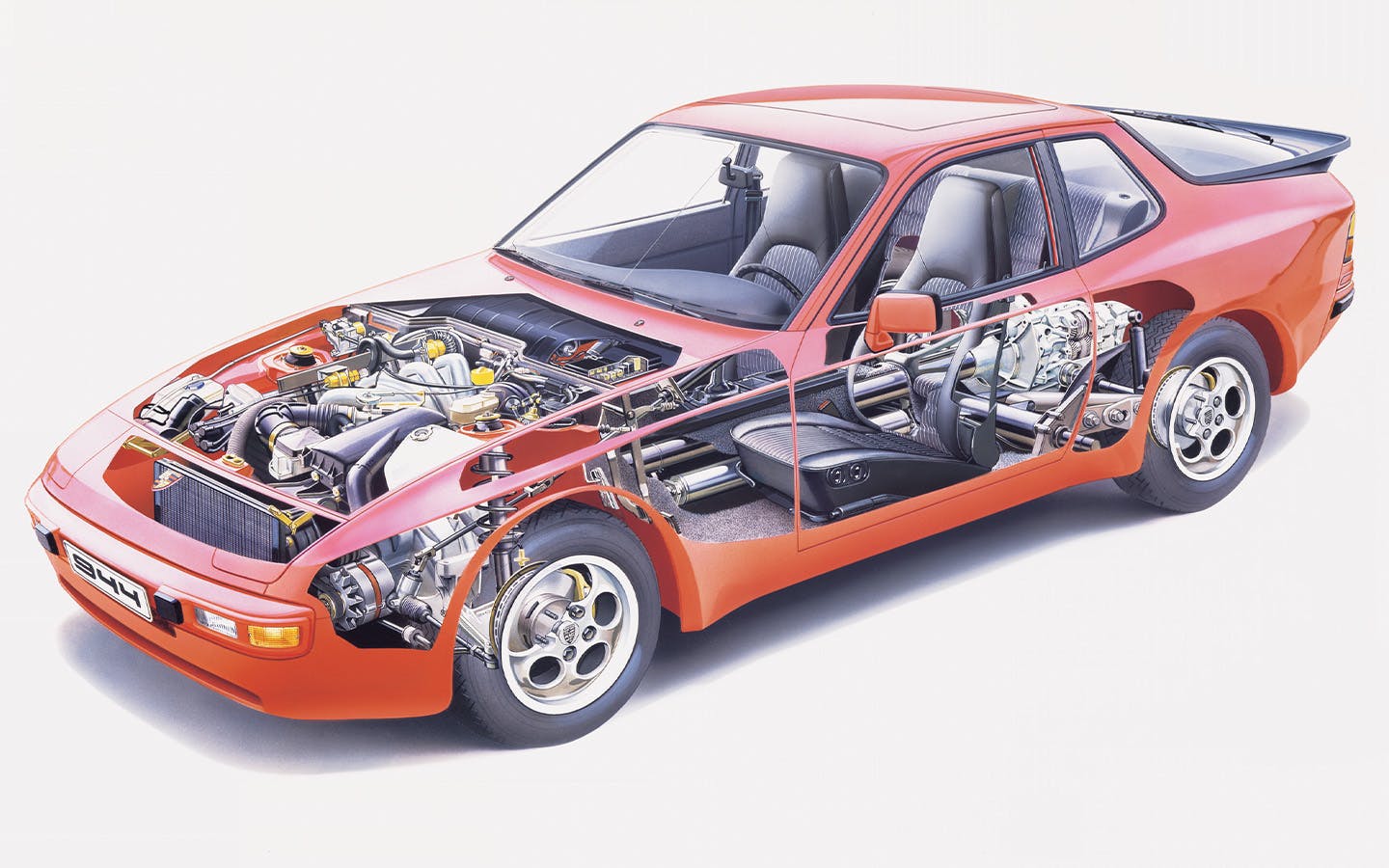
For its first 30 years, Porsche was synonymous with producing two rear-engined sportscars – cars that hold legendary status today. So when the makers of the 356 and 911 unveiled the 924 in 1976, it marked a significant strategic shift for Porsche. Here was a front‑engined sports cars with a rear‑mounted transmission that was the first in a line of four transaxle production sportscars developed and built by the company over the next two decades. From the mid 1970s to mid 1990s, Porsche produced four transaxle models in total – from pure sportscars to high‑performance grand tourers – with the 924, 928, 944 and 968.What are the benefits of a transaxle Porsche?In a transaxle car, the engine and gearbox are separate but connected via a stiff torque tube. In the case of the four Porsche transaxle cars, its engineers placed the engine at the front and transmission at the rear of the cars resulting in what many see as the near‑perfect weight distribution for a car. There are several benefits associated with such a set-up, including improved balance and enhanced stability, particularly at high speed, with predictable handling characteristics that inspired confidence in a wide range of driving conditions.Porsche 924 • The first Porsche transaxle modelThe first of the Porsche transaxle models, the 924 was revealed in 1976 and was a concerted effort by Porsche to expand the model range and further broaden its appeal, with a sportscar that maintained its established reputation for building driving engagement. This entry-level 924 was built by Audi in Neckarsulm.It featured a front‑mounted, water‑cooled, four‑cylinder engine – the first water-cooled 911, didn’t arrive until the type 996 in 1997 – with a rear‑mounted manual transaxle. Early models had a 2.0‑litre engine that produced around 125 PS (123 hp), with the transaxle set-up allowing the 924 to deliver balanced handling rather than brute straight-line power. It could sprint from 0-100 km/h (0-62 mph) in around 9.5 seconds with a top speed of approximately 200 km/h (124 mph).The Porsche transaxle era began in 1976 with the launch of the 924 Photo: Porsche',The transaxle models represented a new approach for Porsche. Its first two models – the 356 and 911 – were rear-engined. With the 924, here was a front-engined sportscar with its transmission in the rear Photo: Porsche',Cutaway illustration of the Porsche 924 (MY 1987), showing the front engine/rear transmission set-up of the transaxle models Photo: Porsche'MacPherson struts at the front and semi‑trailing arms at the rear meant a compliant yet engaging driving experience. With its relatively low kerb weight, the 924 was agile and composed – and like its sibling, the 911, was made to be exploited on twisty, challenging roads. Its clean, curving, aerodynamic exterior design was characterised by its en vogue wedge profile, its soon-to-be trademark pop‑up headlights and a hatchback rear end featuring a large glass window. The latter was a key part of its practicality, allied to usable rear seats and generous luggage space for a sportscar.
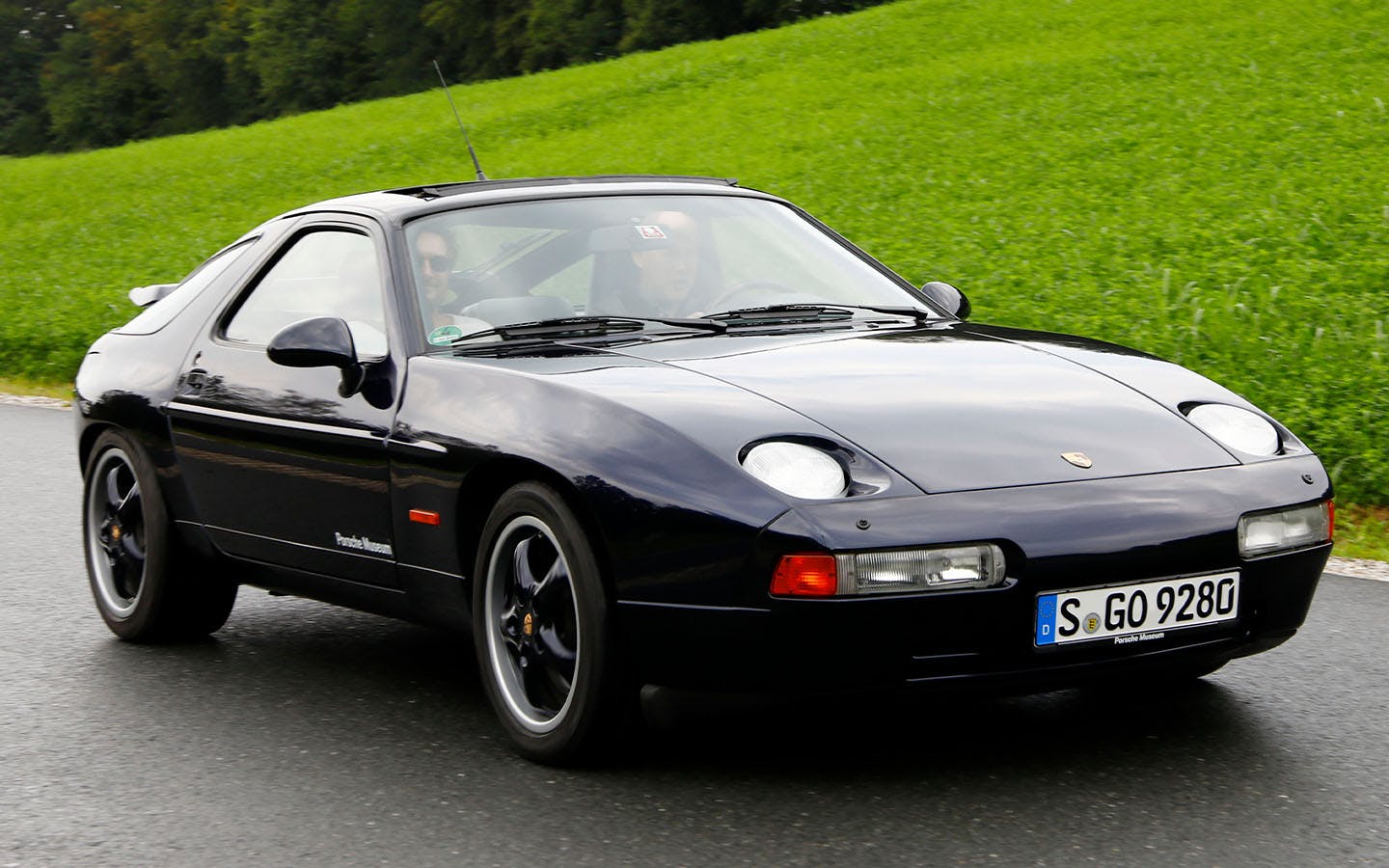
Over its production lifespan of more than a decade, a number of variants were made, each with their own unique character. Chief among these was the 924 Turbo, launched in 1979, whose hugely impressive performance was characterised by a top speed of 225 km/h (140 mph), a 0-97 km/h (0-60 mph) time of six seconds and a power output of 170 PS (168 hp). Other models included the Carrera GT and GTS, further demonstrating the versatility of the 924 when it came to adapting the car for greater performance achievements, as well as being a basis for development of all future Porsche transaxle models.Porsche 928 • The powerful grand tourerThree years after the 924 was unleashed, Porsche built on that car’s success with the introduction of a new model in 1977, the 928, that was conceived as a technological flagship for what a new Porsche sportscar could be. Production of the 928 continued until 1995, making it the longest‑running Porsche transaxle model. It was undoubtedly a landmark car – a powerful, innovative and visually impactful grand tourer.
Unlike the four‑cylinder 924, the 928 was powered exclusively by a V8 engine. Its earliest versions used a 4.5‑litre all‑aluminium unit that produced around 240 PS (237 hp). Over its lifetime, the engine displacement and power output of the 928 steadily increased, culminating in a GTS version that featured an immense 5.4‑litre unit that could deliver 355 PS (350 hp). In its final iteration, the 928 S4 SE, featured a 5.0-litre V8 unit that allowed it to accelerate from 0-100 km/h (0-62 mph) in just 5.6 seconds and had a top speed of 275 km/h (171 mph).
The 928 used aluminium for its doors, front wings and bonnet, to create an elegant, lightweight grand tourer Photo: Porsche',The 928 models used extremely powerful four-cylinder engines, initially with a 4.5-litre displacement and later a 5.4-litre version in the case of the 928 GTS Photo: Porsche',Cutaway illustration of the Porsche 928 (MY 1978) Photo: Porsche'One of the highlights of the 928 was the innovative engineering developments that went into the design of its chassis. Its rear axle – also known as the ‘Weissach axle’ – with its double-wishbone suspension was designed to enhance stability by subtly altering rear‑wheel geometry under load. Braking and high‑speed cornering in the 928 was improved as a result which, when combined with the transaxle layout, made for a car that felt stable and refined at the high speeds its powerful engines were able to achieve.When it came to its exterior design, the 928 showcased a flowing design language, with integrated front and rear bumpers and distinctive headlamp units. Today, the 928 still possesses a distinctly modern look. To reflect its grand tourer credentials, inside the focus was on comfort and long‑distance usability but without compromising on that innate Porsche trait of an engaging drive.Porsche 944 • Supreme balance and an inspiring driveProduced between 1982 and 1991, the Porsche 944 refined the transaxle concept to produce a sportscar that won plaudits for its supreme balance, road presence and grippy drive. It was born from the 924 but featured extensive mechanical and visual enhancements.
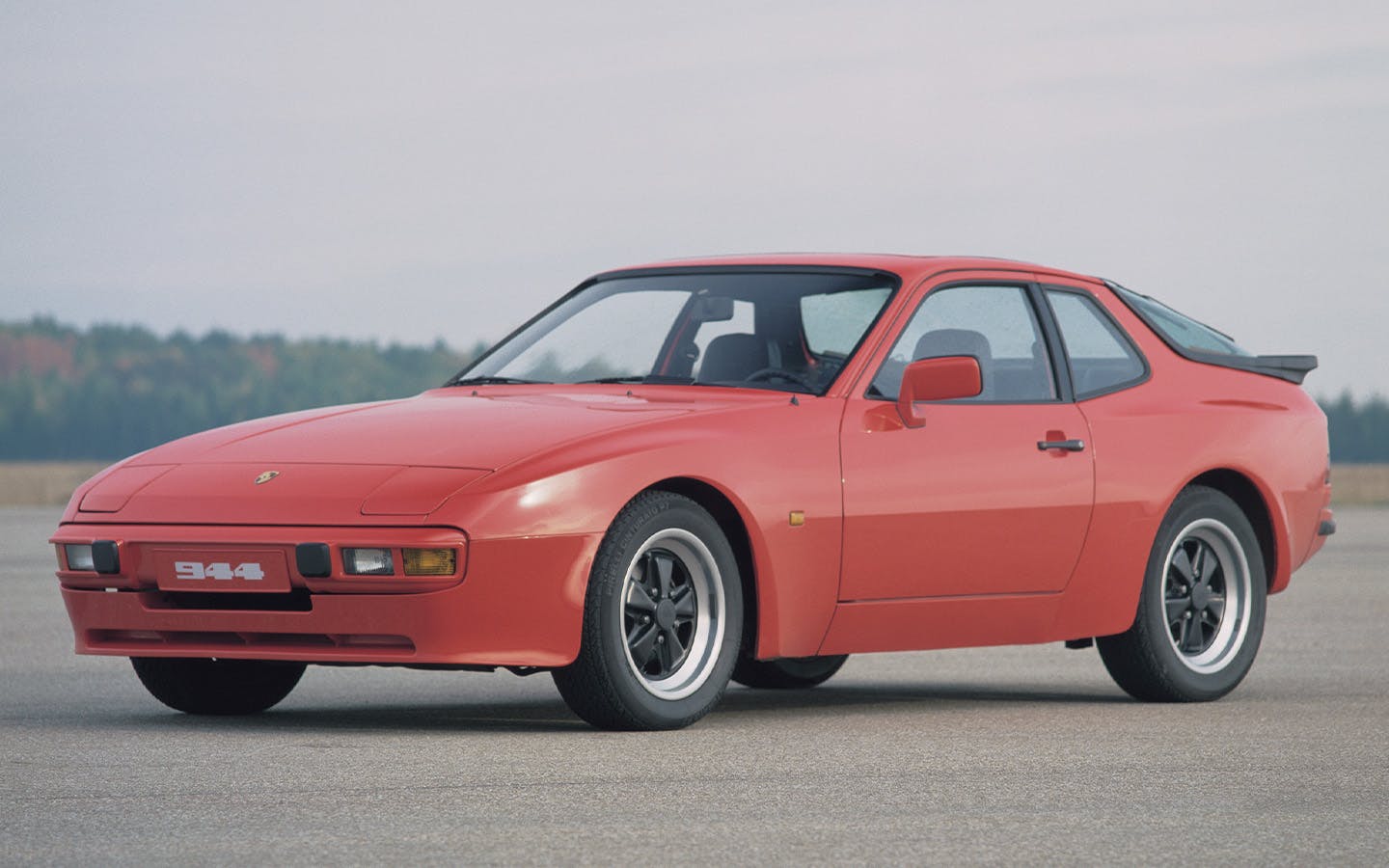
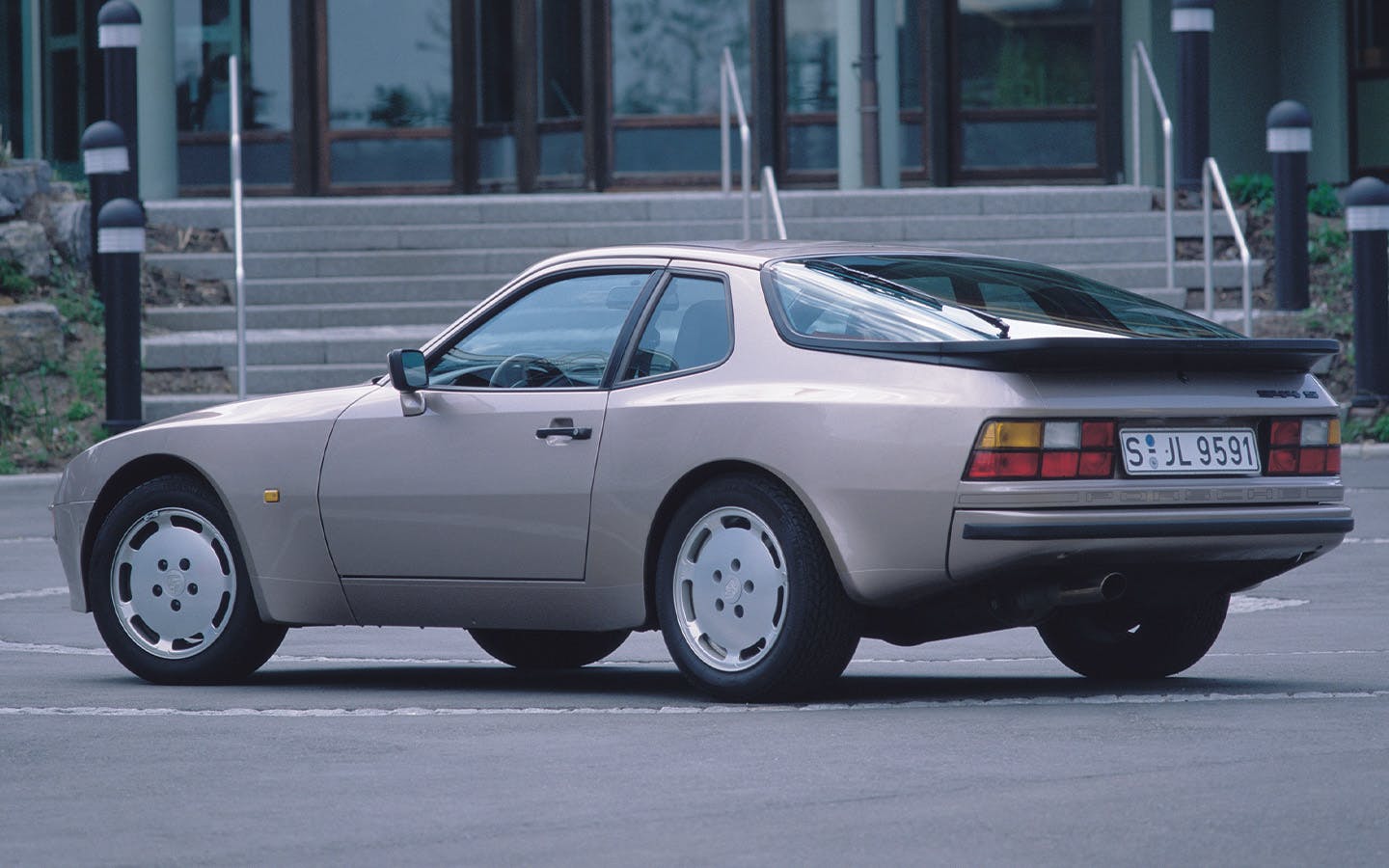
It made its debut featuring a 2.5‑litre four‑cylinder engine with a power output of 163 PS (160 hp), a 0-97 km/h (0-60 mph) time of 7.4 seconds and a top speed of 209 km/h (130 mph). The later S and S2 variants boasted a significant upgrade on that of up to 211 PS (208 hp) in the case of the 944 S2. The 944 Turbo would eventually raise performance levels further, delivering up to 223 PS (220 hp) while the 944 Turbo S introduced in 1988 upped its power to 253 PS (250 hp). The Turbo could achieve 0-97 km/h (0-60 mph) in 5.9 seconds, while the Turbo S model could hit this mark in just 5.5 seconds, with a top speed of 260 km/h (162 mph). The body of the 944, first produced in 1982, was based on the 924 but featured an even more distinctive, supremely sporty shape Photo: Porsche',The 944 was renowned for its well-balanced handling, courtesy of its near 50/50 weight distribution Photo: Porsche',Cutaway illustration of the Porsche 944 (MY 1985) Photo: Porsche'In an upgrade to its 924 direct predecessor, it featured a wider track, flared wheel arches and upgraded suspension for enhanced grip and stability combined with the acclaimed balance that helped defined the transaxle period of Porsche sportscars. Inside, that trademark Porsche characteristic of a driver‑focused layout meant that the 944 was perfect for daily driver use yet rewarded you when it was time to push it to its limits.
It all added up to the 944 becoming one of the best‑selling Porsche models and further confirmation, if needed, that the introduction of transaxle technology in its model range was an inspired move by the company.Porsche 968 • The ultimate Porsche four-cylinder transaxle carThe final chapter of the Porsche four-cylinder transaxle story – the 968 – was produced between 1992 and 1995 and would prove to be a sophisticated evolution of the transaxle philosophy. Unlike the 924 and 944, which were built at the Audi plant in Neckarsulm, the 968 was made at Porsche HQ in Zuffenhausen.
A polished and elegant sportscar, the 968 – which was available as both a coupe and a cabriolet – was initially developed as an upgrade to the 944, but with over 80 per cent of its components either new or significantly revised, it was introduced as a standalone model.
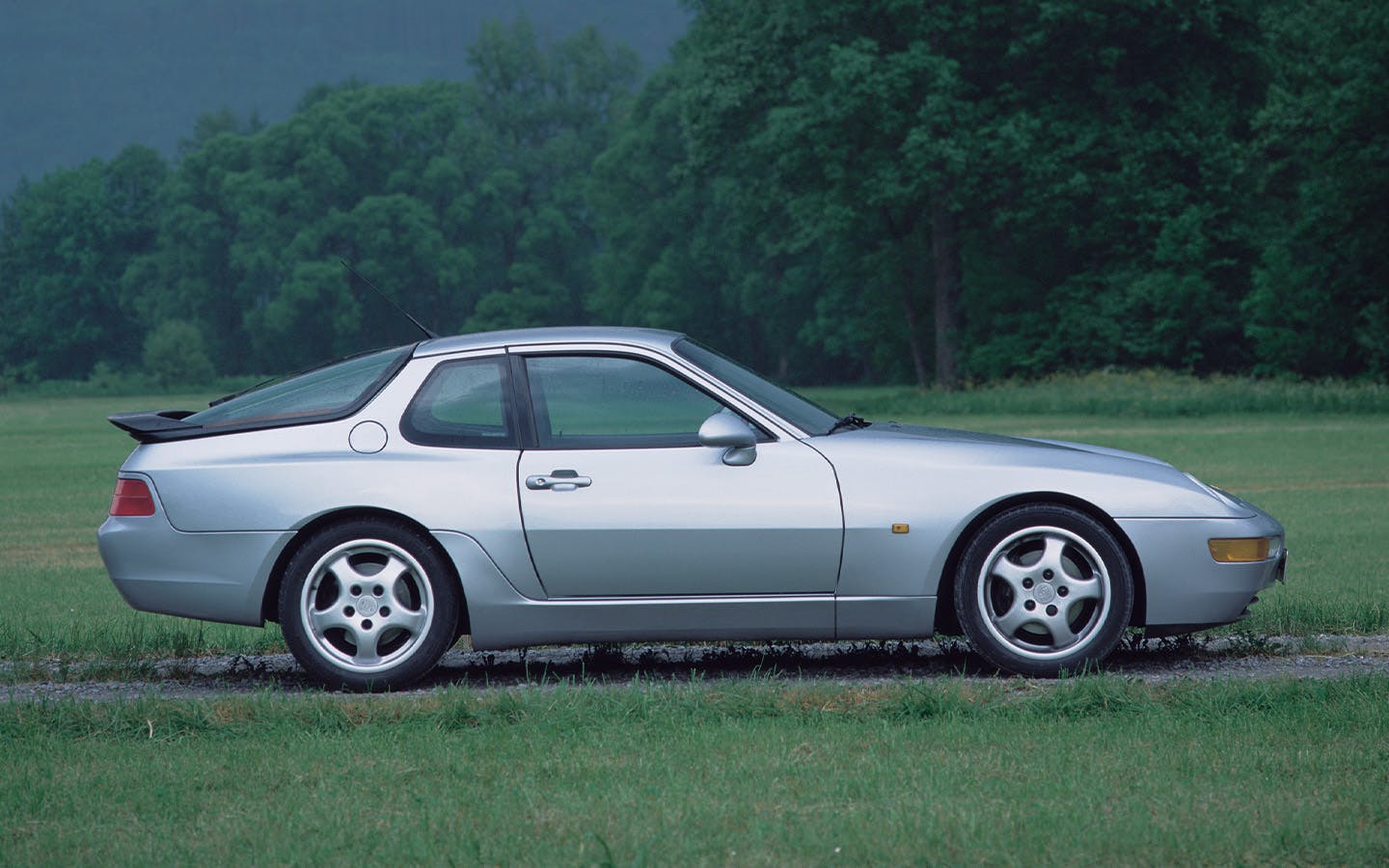
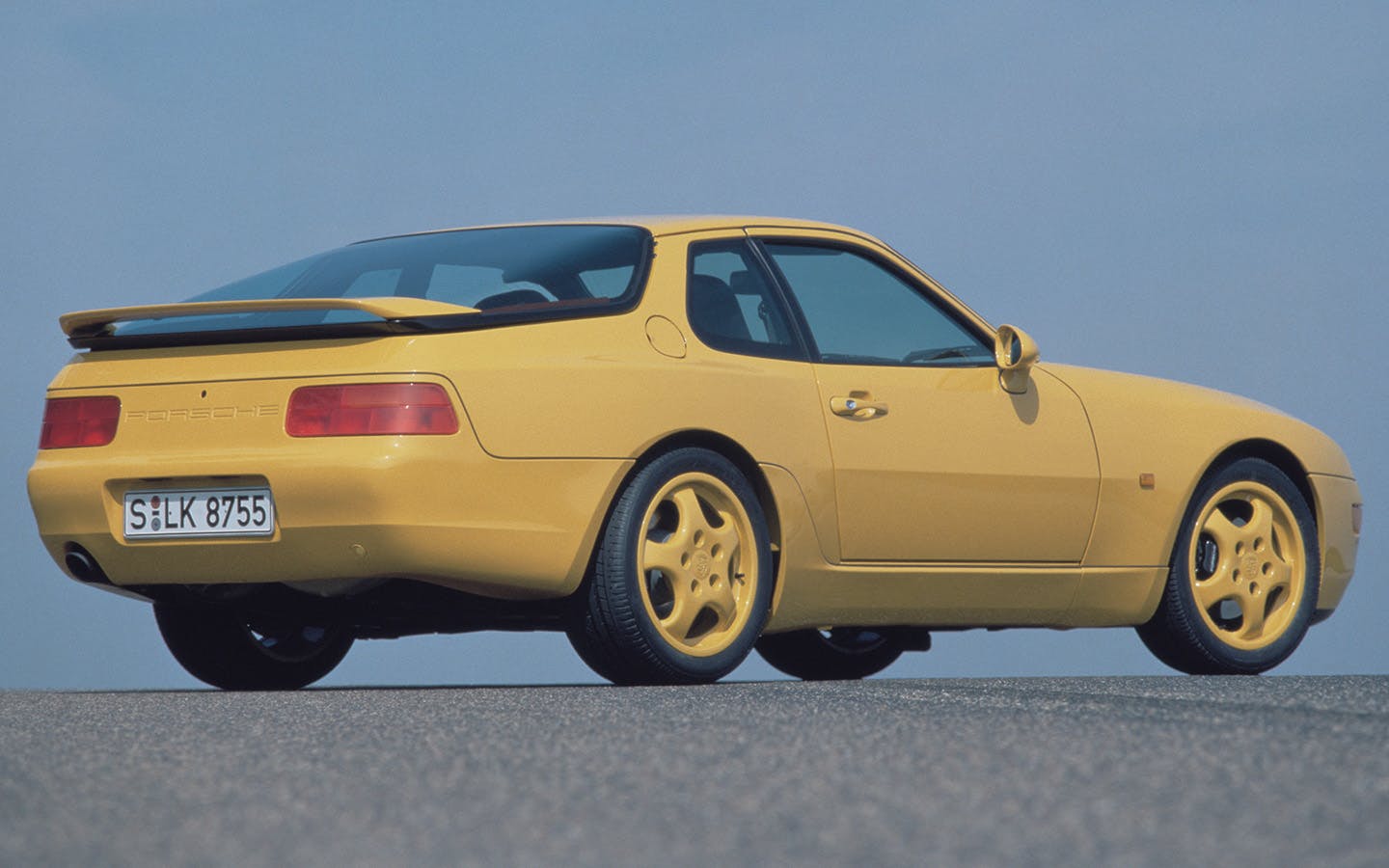
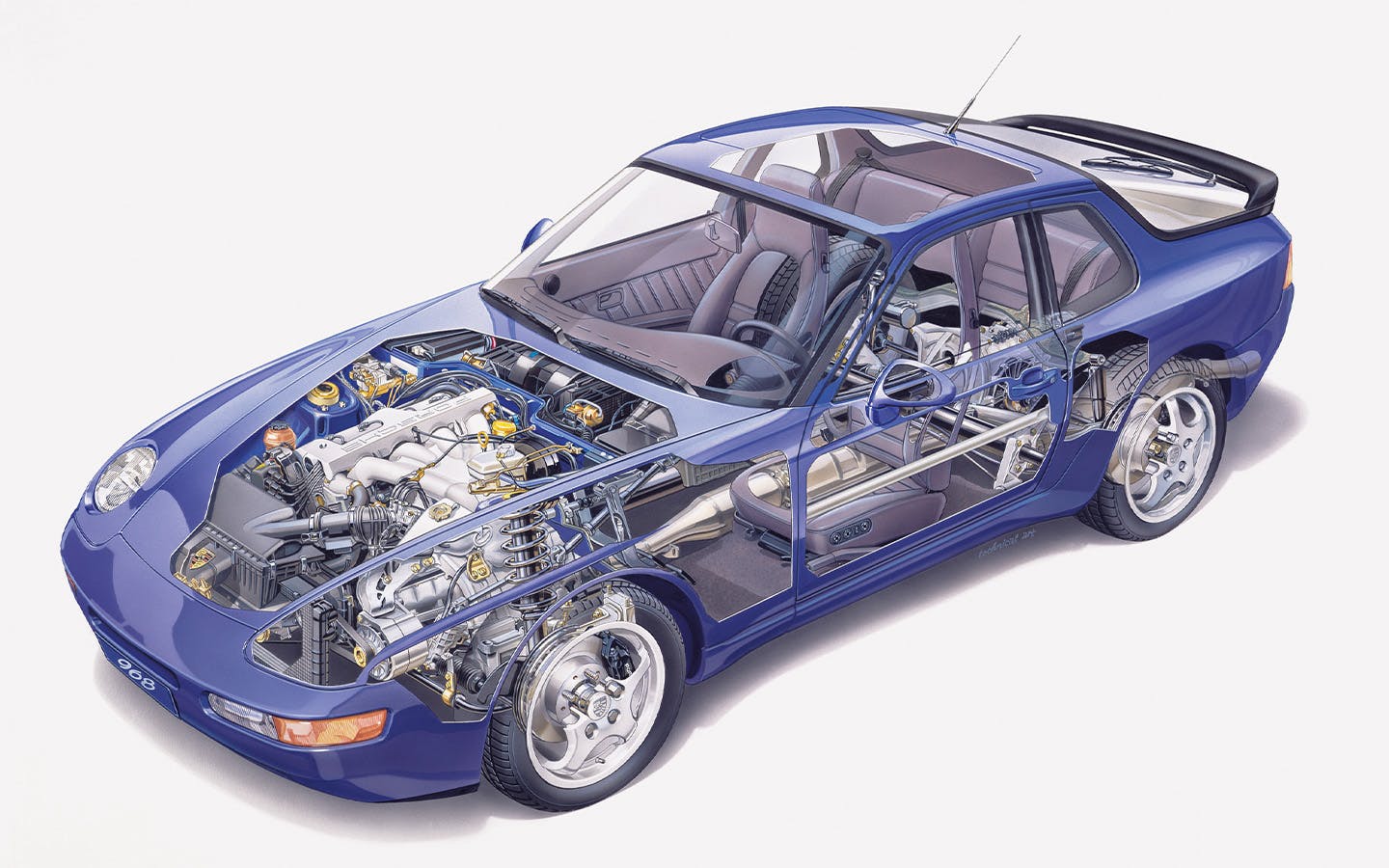
One of the biggest changes for the 968 over the 944 was its engine. It was powered by a 3.0‑litre, straight four‑cylinder engine. Producing 239 PS (236 hp), it was equipped with Variocam variable valve timing for strong torque and smooth power delivery. Performance figures included a 0-97 km/h (0-60 mph) time of 6.3 seconds and a top speed of roughly 251 km/h (156 mph).The 968, the final model of the four Porsche transaxle cars, anticipated the front-end design of the subsequent 911 (type 993) Photo: Porsche',The 968 Turbo S pictured here was developed out of the 968 Club Sport model and boasted glittering performance credentials Photo: Porsche',Cutaway illustration of the Porsche 968 (MY 1992) Photo: Porsche'A six-speed manual gearbox was offered alongside a dual-mode Tiptronic automatic transmission, resulting in improved responsiveness – the 968 excelled on demanding roads. Stylistically, there was a significant nod to the curved lines of the earlier 928. A long, sloped back gave it a flowing, GT-like appearance, while its striking headlights system were tilted back on the bonnet but would pop up when activated. The 968 was only produced for three years, but one of its variants – the lighter weight 968 Club Sport – has become one of the most sought-after of all Porsche transaxle sports cars. This pared-back, performance-led take on the standard 968 was a distillation of the transaxle philosophy into its purest form with a 0-97 km/h (0-60 mph) time of 6.1 seconds. Meanwhile, a later model – the extremely rare Turbo S, based on the 968 Club Sport – took performance to a new level.
Consumption and emission informationCayenne Electric
(WLTP): Electric energy consumption combined: 21.8 – 19.7 kWh/100 km; CO₂ emissions combined: 0 g/km; CO₂ class: .
Enduring performance innovation
Configure your new Porsche
Continue reading
What are Porsche Ceramic Composite Brakes and how do they work?
Porsche Ceramic Composite Brakes (PCCB) were developed to offer drivers the very best in stopping power. This is how they work and why Porsche continues to refine brake technology for road and track
Read more
1,000 hp heroes – the Porsche cars with four-figure power
From legendary Porsche race cars to electric SUVs, these are the Porsche cars that have broken the 1,000 hp barrier
Read more
Why is the Porsche 911 engine in the rear?
For more than 60 years, Porsche has done things its own way with the 911. The rear-engine layout was an engineering solution that has endured and evolved into an icon
Read more