Seven things you need to know about the Porsche 911 (type 993)
The story of the last air-cooled 911
Copy link
Share on Facebook
Share on X
Share on LinkedIn
Produced from 1993 to 1998, the type 993 brought significant advances in performance, handling and everyday usability
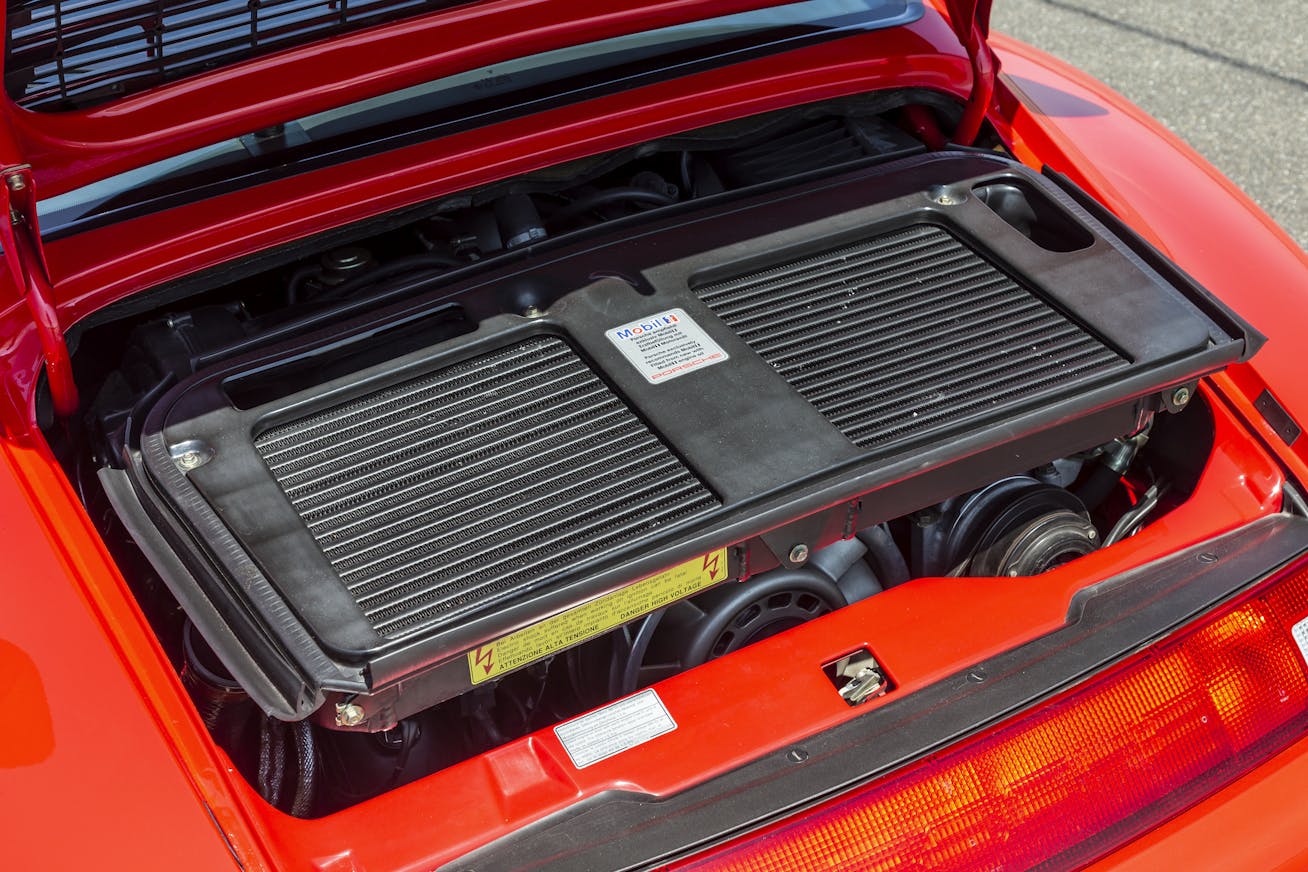
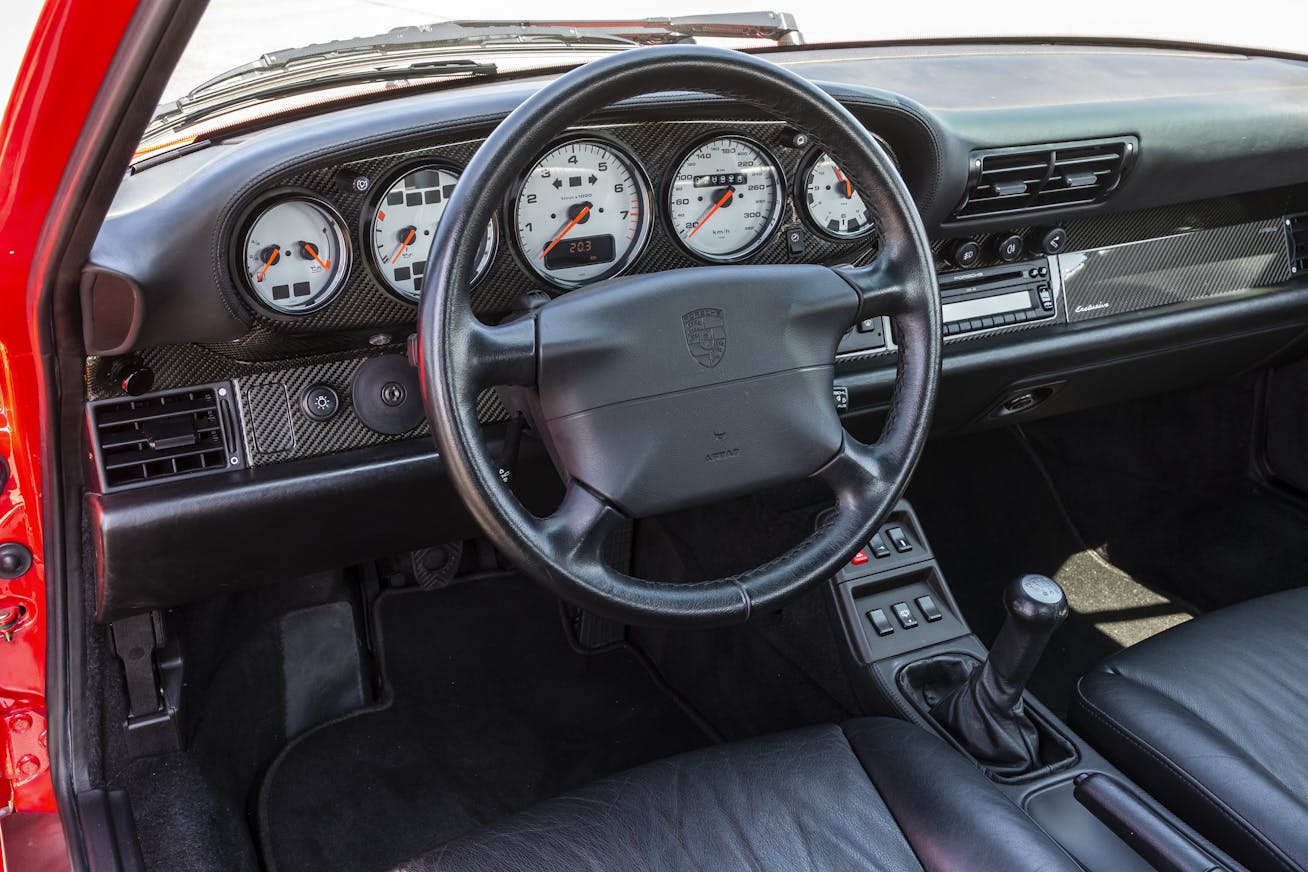
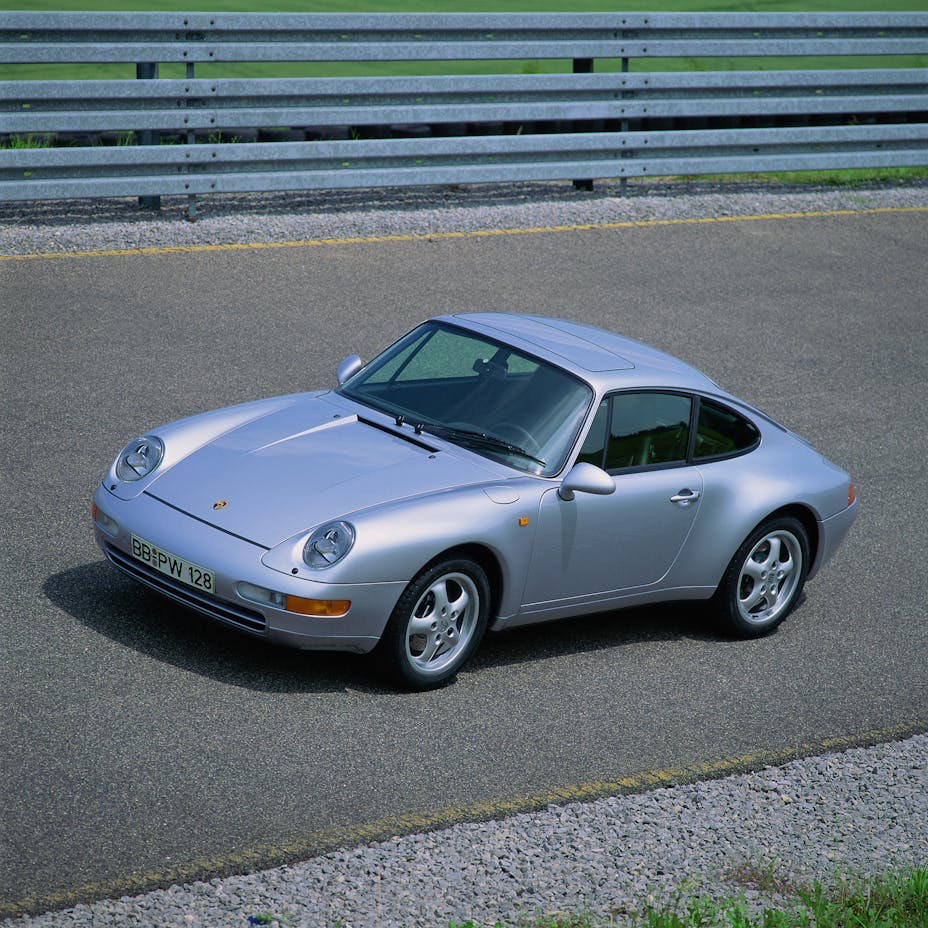
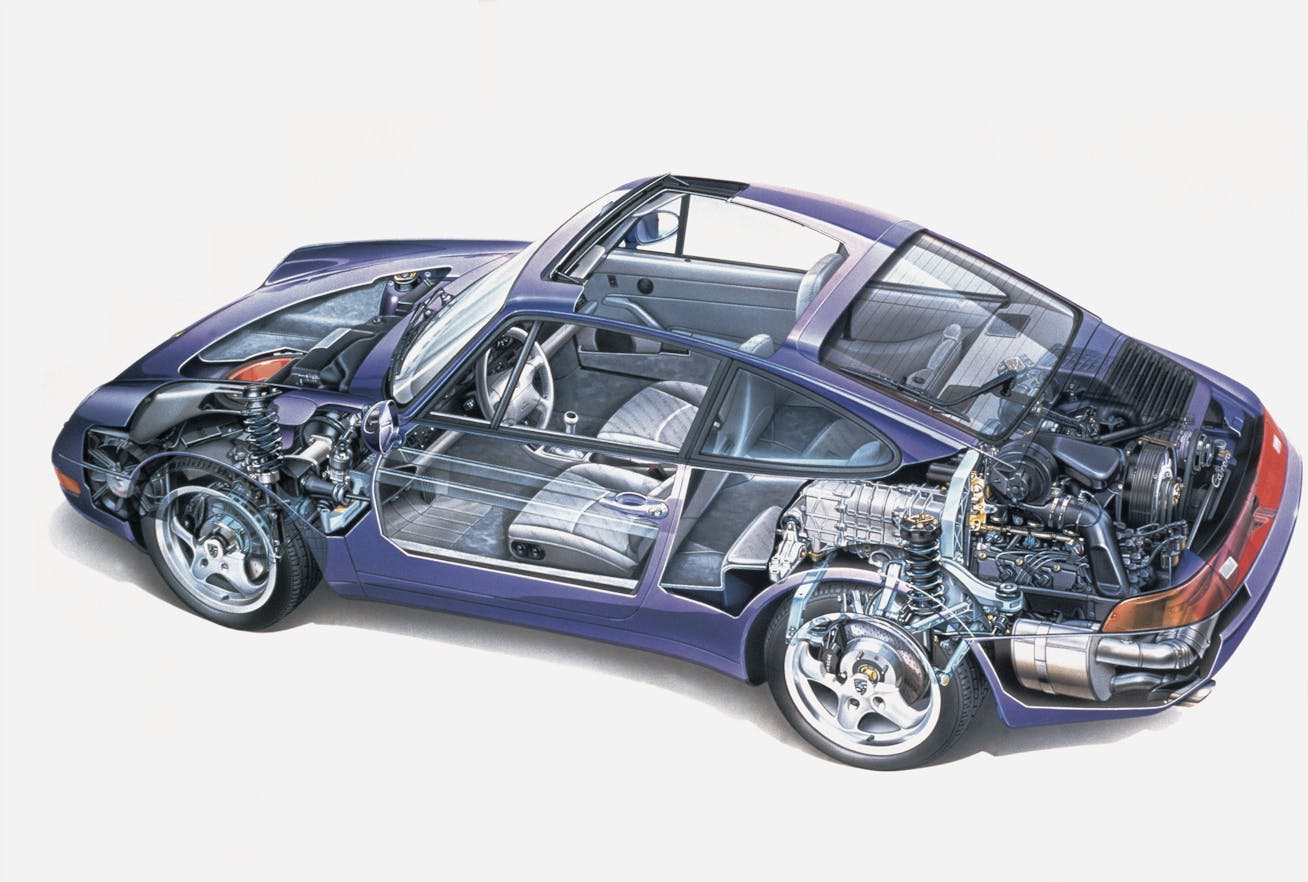
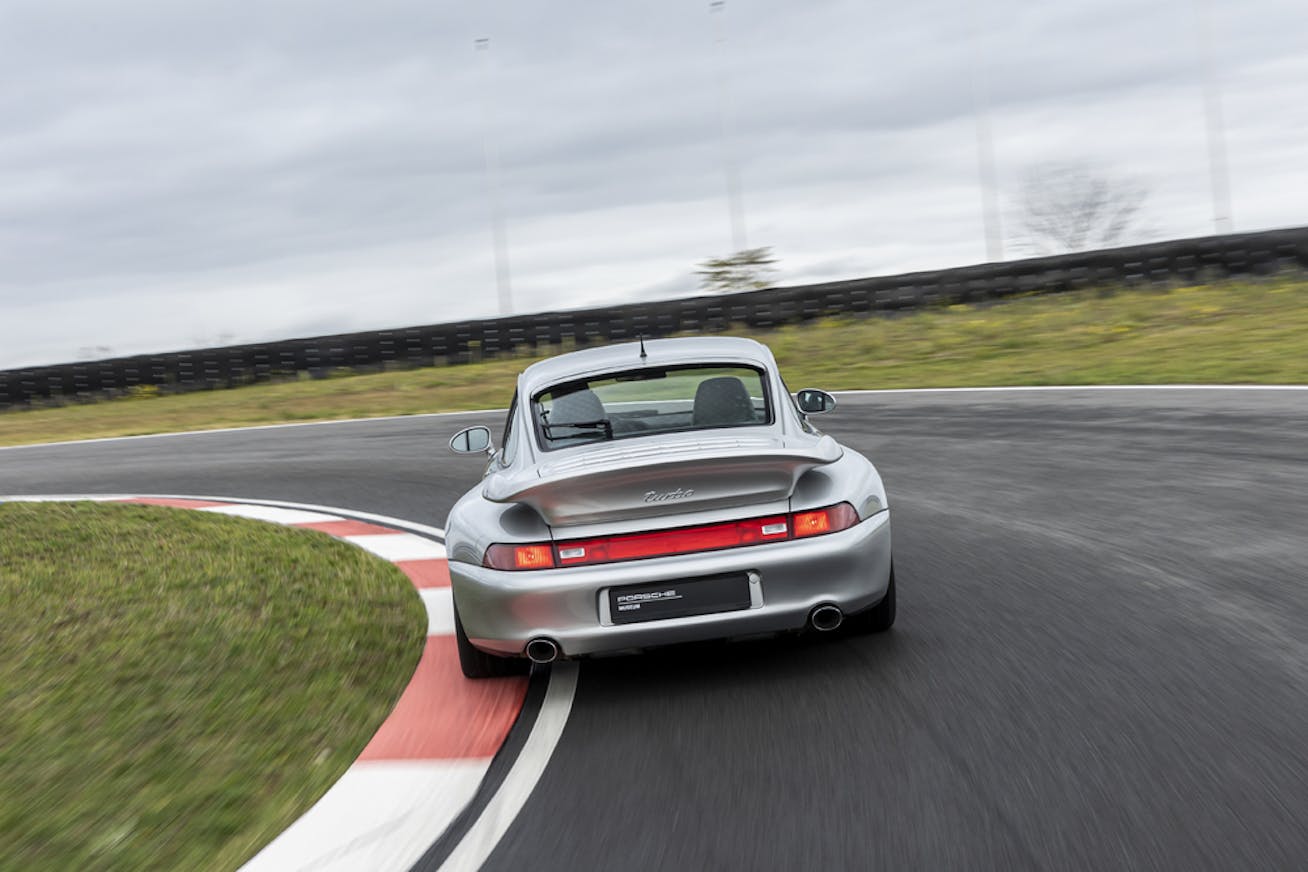
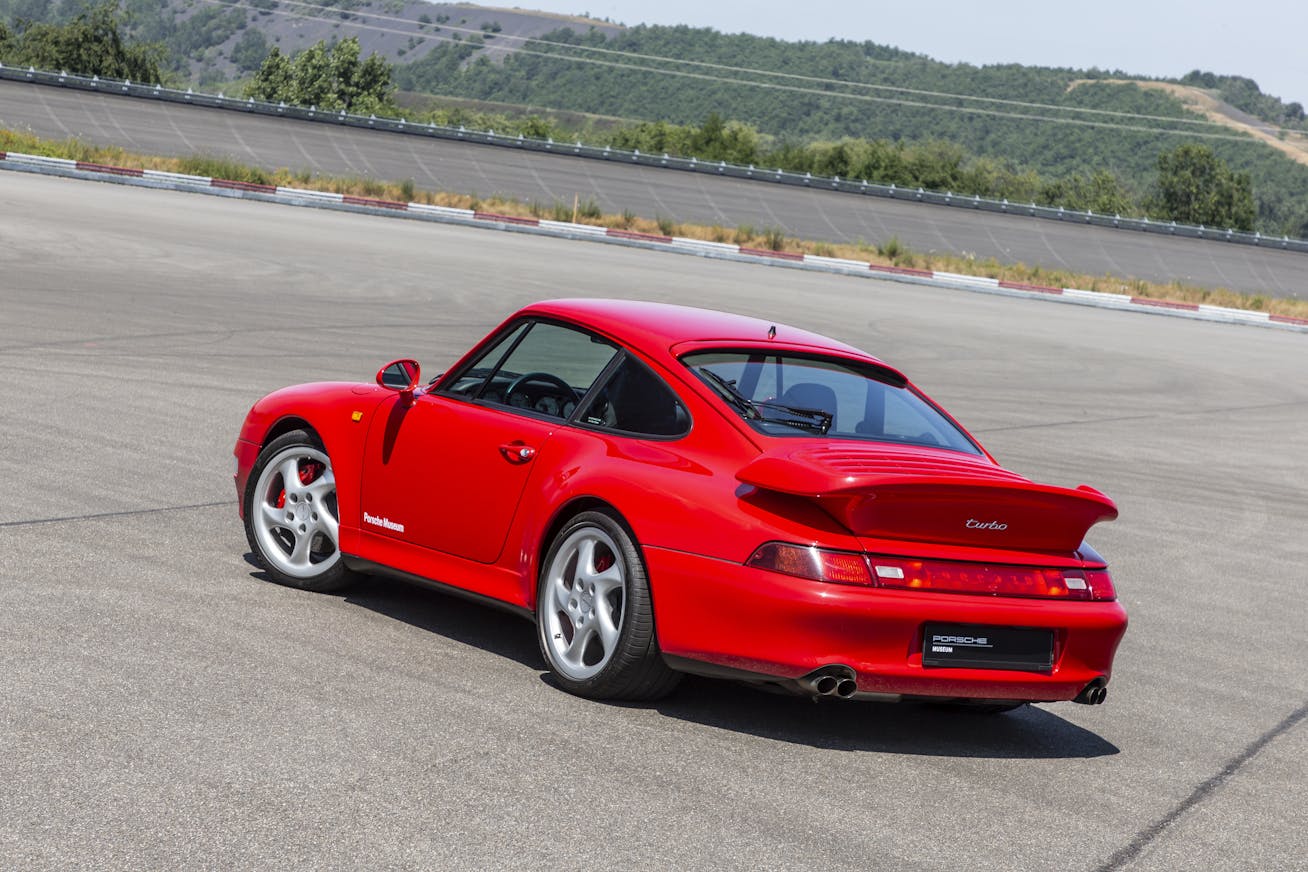
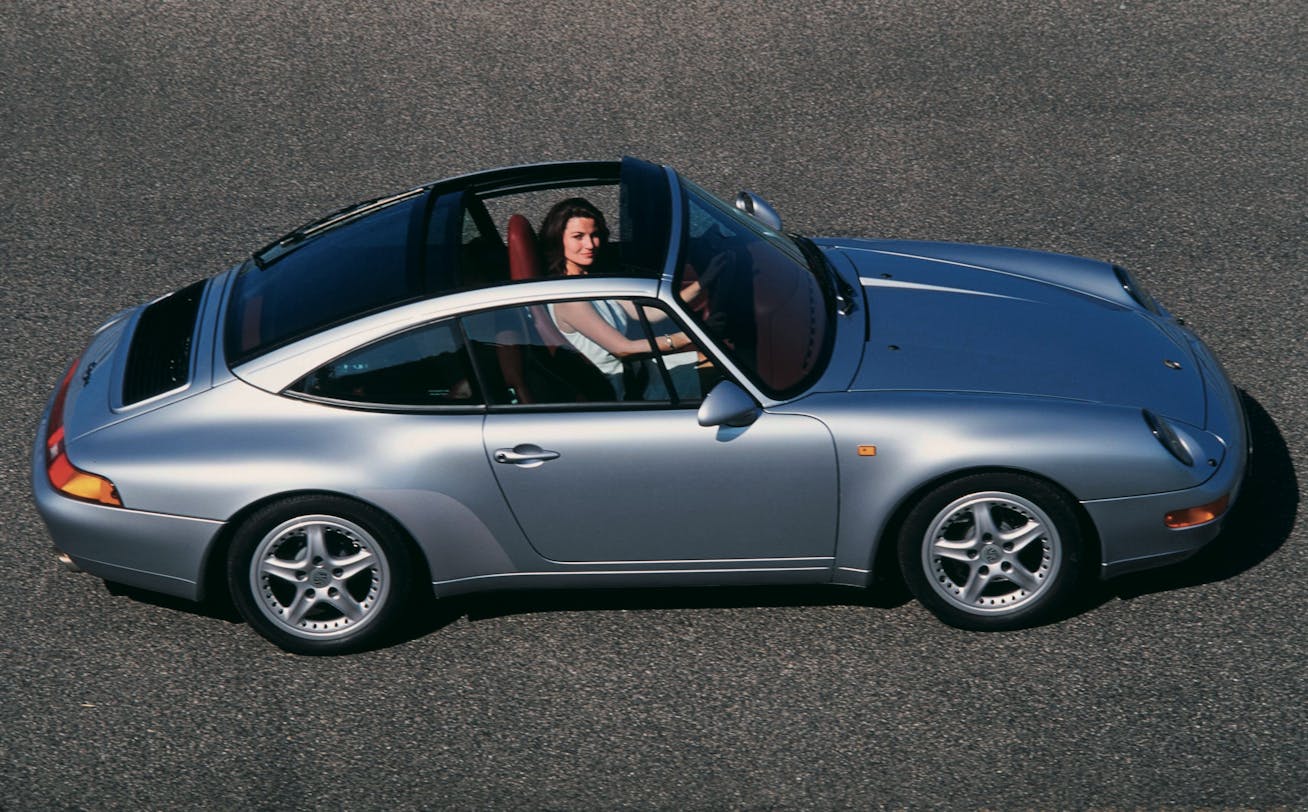
Porsche 911 (993): fast factsProduction years: 1993–1998911 generation: fourth generationEngine: air-cooled 3.6-litre and 3.8-litre six-cylinder boxer enginesPower: from 272 PS to 450 PS, depending on the modelBody styles: coupé, cabriolet and targaKey significance: the final air-cooled generation of the Porsche 911Some 30 years after the 993 was first unveiled, it’s today best known for being the last Porsche 911 to feature an air-cooled engine. But there are plenty more reasons why it’s such a landmark car for Porsche. Far from being the end of an era, it represented a big leap forward in technology for the 911, as well as a substantial evolution of its trademark looks. Here are seven innovations and defining features that made the type 993 a landmark Porsche 911.The type 993 was the very last Porsche 911 to use an air-cooled engine1 What engine does the Porsche 911 (993) have?The Porsche 911 (993) is powered by an air-cooled 3.6-litre six-cylinder boxer engine. It was the final generation of the 911 to use air cooling, bringing to a close a tradition that began with the original 911 in 1963. Its successor, the type 996, introduced a water-cooled engine.At its launch in 1993, the naturally aspirated engine in the 911 Carrera produced 272 PS. This increased to 285 PS in 1995, while a 3.8-litre version produced 300 PS.The innovative chassis of the type 993 meant fun and confident driving when at the wheel2 What was special about the Porsche 911 (993) chassis?The 993 was the first 911 with a chassis designed around the LSA concept, which stood for Light, Stable and Agile. The new aluminium chassis married lightweight materials with a complex, motorsport-derived, multi-link suspension set-up. It featured a particularly flexible fifth link that helped evolve the ‘Weissach effect’, which was found in the engineering of the Porsche 928. In the days before active rear-wheel steering, this helped manage both longitudinal and lateral forces to stabilise the car’s handling and reduce lift-off oversteer.The final chassis design of the 993 was such that the suspension compression was dramatically lowered during both acceleration and cornering to make the handling more composed, and the use of aluminium dampers helped lower weight to improve the agility. Overall, the new chassis allowed for quicker, safer lane changes even at high speed, and road noise and vibrations were also reduced. It’s also worth noting that the design laid the groundwork for the chassis fundamentals that have continued through to every Porsche 911 to this day.Only the roofline, glass and doors from the previous 911 – the type 964 – were kept on the type 9933 What’s interesting about the exterior design of the Porsche 993?The shape of the 911 has gradually evolved over the decades, but the type 993 had a relatively dramatic visual overhaul. The roof, glass and doors from the type 964 were retained, but just about everything else was changed. The design was heavily influenced by the Porsche 959 (at the front) and the 928 (over the wheel arches), but lowered the front end compared to the 964 and widened the body at each end to create what Porsche fans now know as the ‘Coke bottle’ shape when viewed from above, with it tapering towards the rear. The front wings were wider and flatter, the rear light cluster sat higher and the luggage compartment lid was shorter.The type 993 was engineered in Germany and designed by Englishman Tony Hatter, working under Dutch styling chief Harm Lagaay4 Who designed the Porsche 993?The design team behind the type 993 came under the direction of the Dutchman Harm Lagaay, the chief of design and styling, with the Englishman Tony Hatter as its design manager. At the time of the development of the type 993, Hatter had been with Porsche since 1986 and had worked on the type 964, while Lagaay had first joined Porsche back in 1971 and had moved back to the company in 1989 after a period at other manufacturers.The power behind the 911 Turbo (type 993) was a 3.6-litre bi-turbo engine that produced 408PS5 What engine does the Porsche 911 Turbo (type 993) have?The 911 Turbo (type 993), introduced in 1995, was powered by a 3.6-litre air-cooled, bi-turbo flat-six engine producing 408PS. The 911 GT2 developed an even more substantial 450PS.The first Porsche sportscar to feature two turbochargers was the iconic but limited run Porsche 959, which went on sale in 1986. For the type 993 Turbo model of 1995, engineers went back to that idea and refined it for mass production. Rather than using a single turbocharger like previous 911 Turbo sportscars, the 993 used two small chargers, one on each cylinder bank of the 3.6-litre engine. Not only did this technology allow for more power than ever before, it also smoothed the delivery to make it more manageable. Previous Turbo models gave you a sudden hit of power when the turbo came on, but the bi-turbo set-up delivered power in a more linear fashion and from lower revs. This helped reduce turbo lag and gave the driver extra control. Bi-turbo technology has continued to evolve through subsequent generations of the Porsche 911 Turbo.Despite its huge power, the exhaust emissions of the 911 Turbo (type 993) were remarkably low6 How did the 993 Turbo achieve low emissions?Despite the huge power behind the type 993 Turbo, its bi-turbo technology was so efficient that the 3.6-litre engine had the lowest exhaust emissions of all series production engines at the time. This was down to lots of cutting-edge technology, including the first series production use of the OBD II on-board diagnostics system. This used multiple Lambda sensors to monitor everything from the exhaust system to fuel tank ventilation, feeding the information into the complex engine management system. The technology was needed in order to comply with strict emissions rules in the US, but even Porsche experts at the time were surprised by just how efficient the engine turned out.The 993 Targa had a retractable glass roof instead of a fabric soft-top7 Did the Porsche 993 Targa have a roof bar?The Targa model of the type 993 emerged in 1995 – and it was a radical departure from what had gone before. It had a large, sliding glass roof rather than the removable fabric canopy which featured in previous Targa models. This meant that the signature Targa rollover bar was no longer needed for the first time since its introduction in the 1960s. Instead, the tinted, heat-insulating glass was encased within a longitudinal safety structure and could be retracted behind the rear window at the touch of a button. Even with the roof closed, the large glass panel gave the cabin a light and open feel. It also allowed the Targa to keep the signature coupé roofline of the 911. The distinctive roof bar returned with the 991-generation 911 Targa in 2014 and remains a defining feature of the model today.Last updated: September 2026
Make a 911 your goal
Configure yours
Continue reading
Everything you need to know about the new 911 Turbo S
Dive deep into the facts about the new 911 Turbo S, whose innovative twin-turbo powertrain with T-Hybrid technology helps make it the most powerful production version of the Porsche 911 ever
Read more
GT3 Bergsport: everything you need to know
Inspired by Alpine roads and Porsche hillclimb history, the GT3 Bergsport combines a manual gearbox and naturally aspirated engine with a distinctive new design
Read more
Porsche 911 GT3 100 Jahre Nürburgring: a tribute to the Green Hell
The 911 GT3 100 Jahre Nürburgring has been created to celebrate the circuit’s centenary in 2027. With a total of 100 cars available for the German market, it combines distinctive Green Hell-inspired details and an optional Manthey Kit
Read more